













How to Stop Sunglasses Slipping When You Sweat: The South African Fit Guide
There is a specific kind of rage reserved for the moment your sunnies slide down your nose at 32°C, on a climb, with both hands on the bars. You push them back. Four minutes later, same story.
Sunglasses slipping is the single most common complaint we get from our crew, and almost nobody realises it is a fit problem rather than a bad pair of glasses. Forecasters are calling for a hot, dry El Niño summer across most of South Africa, which means more sweat, more heat, and a lot more nose-pushing between now and March.
So let's sort it out properly.
Why Sunglasses Slipping Happens in the First Place
Your face is not the problem. Physics is.
Sweat and skin oil sit between the nose pad and your skin and act as a lubricant. Friction drops, gravity wins, and the frame heads south. Add the vibration of a gravel road or a tar downhill and it accelerates.
But sweat is only the trigger. There are usually three underlying culprits.
1. The frame is too wide for your face
If your frame is wider than your temples, nothing is gripping the sides of your head. The entire weight of the glasses lands on your nose, which is exactly where the sweat is.
A properly fitted sport frame should make light contact just in front of your ears, spreading the load across three points instead of one.
2. The nose pads are the wrong material
Hard plastic nose pads are fine for a boardroom and useless in a bunch sprint. What you want is soft, tacky rubber that grips harder when it gets wet, not less.
This is why our Glitch 2.0 runs hydrophilic rubber pads and temple grips. Counterintuitive as it sounds, they bite better when they're damp.
3. The frame has gone soft
Cheap frames relax over time. Heat accelerates it. Leave a pair on your dashboard in Upington for an afternoon and you'll have a brand-new fit, and not in a good way.
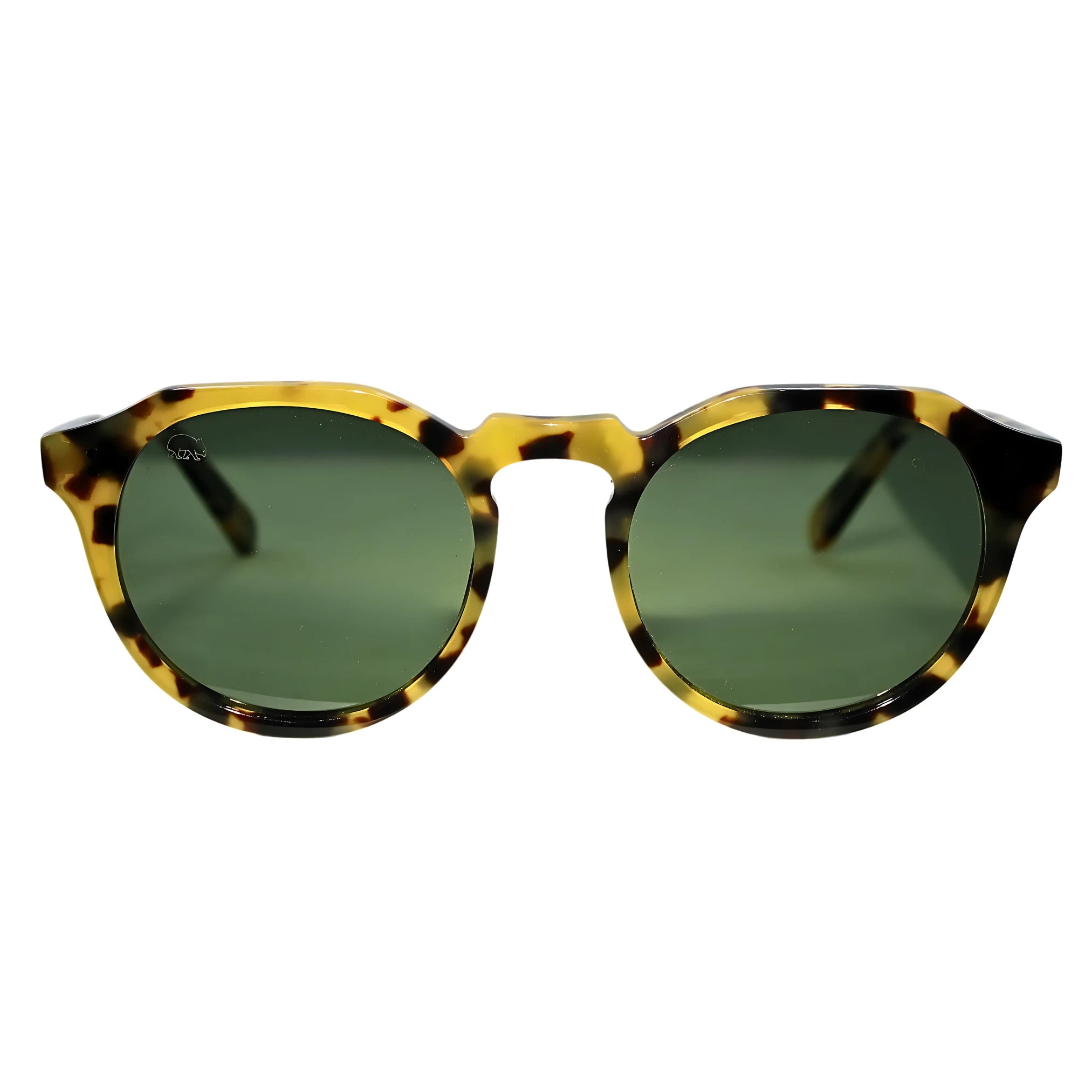
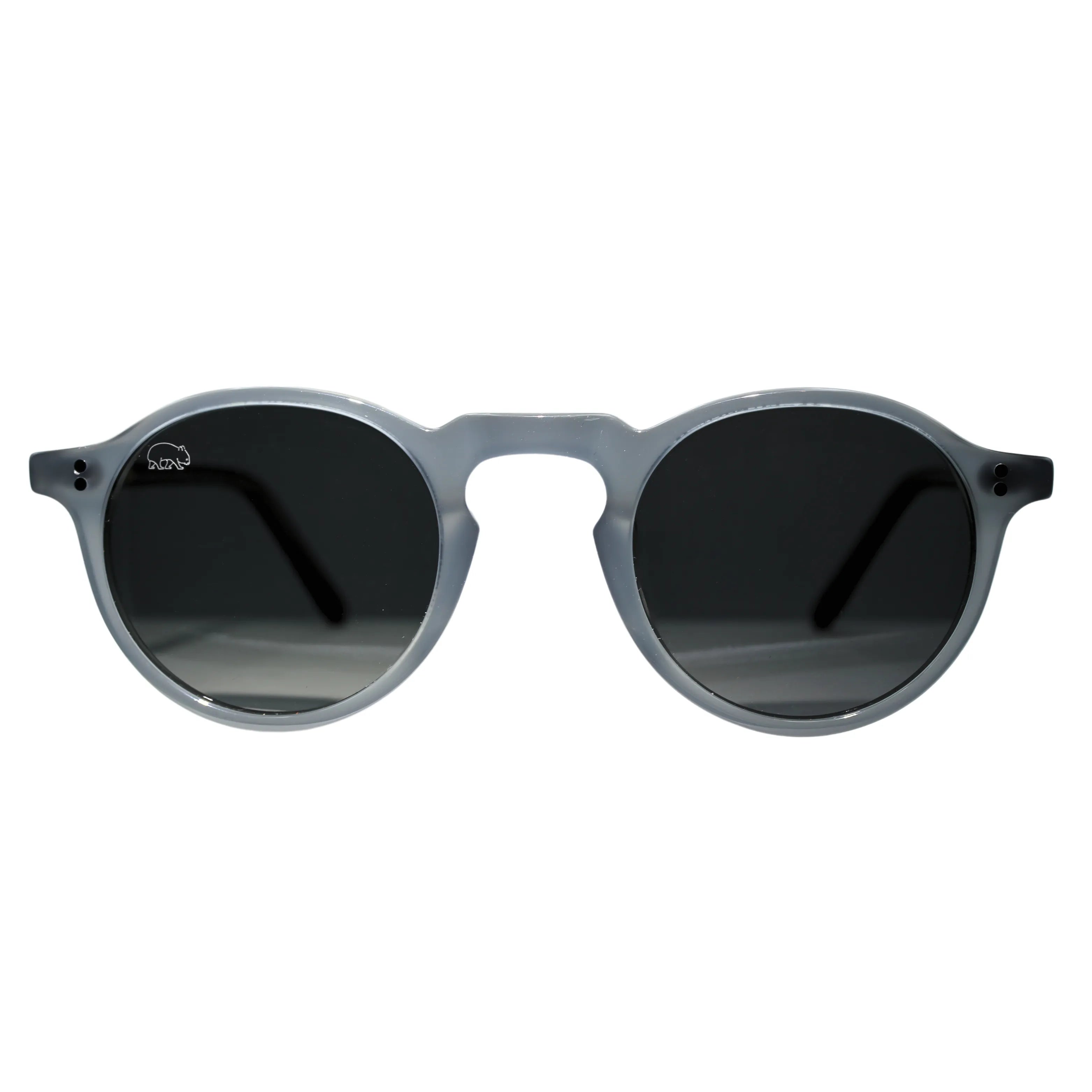
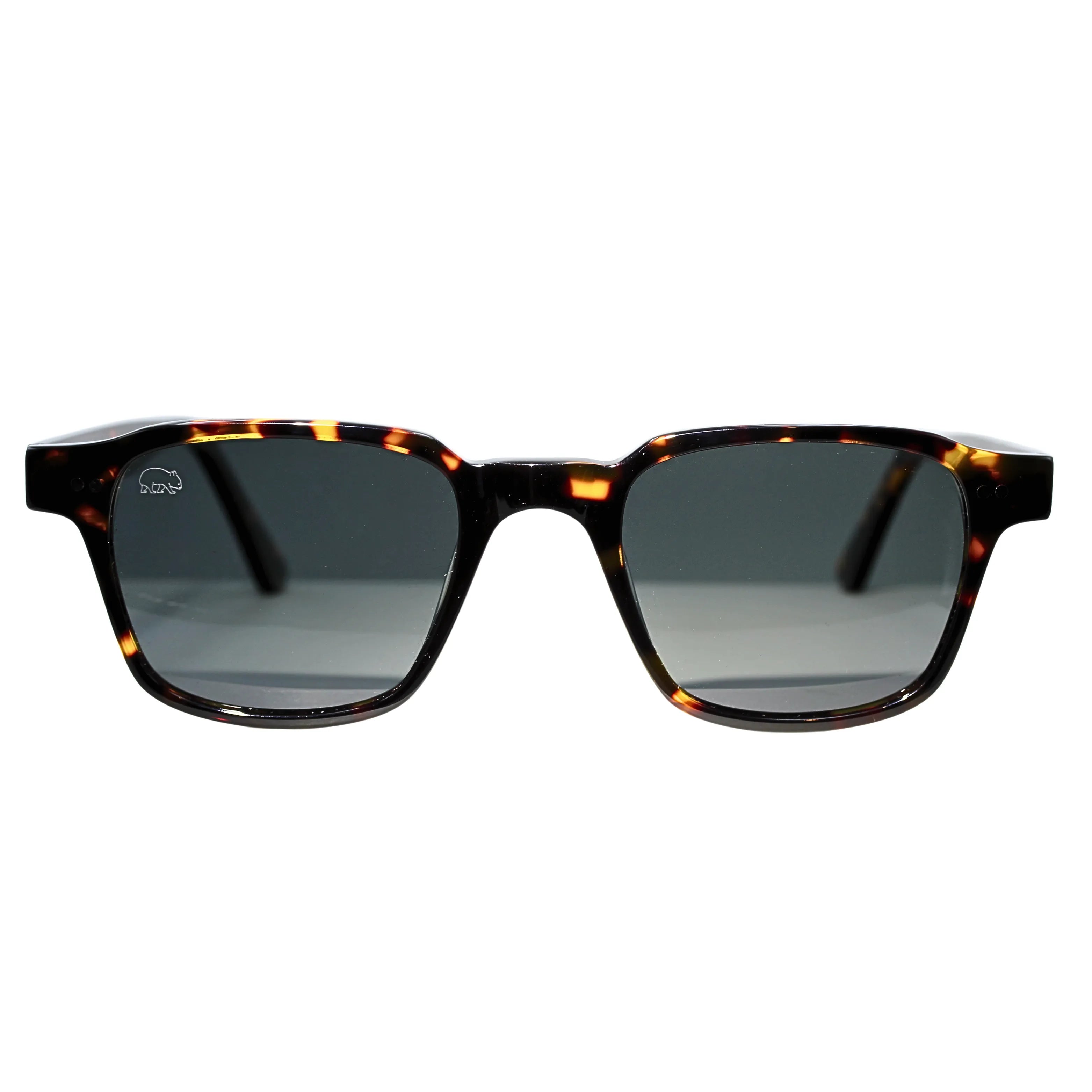
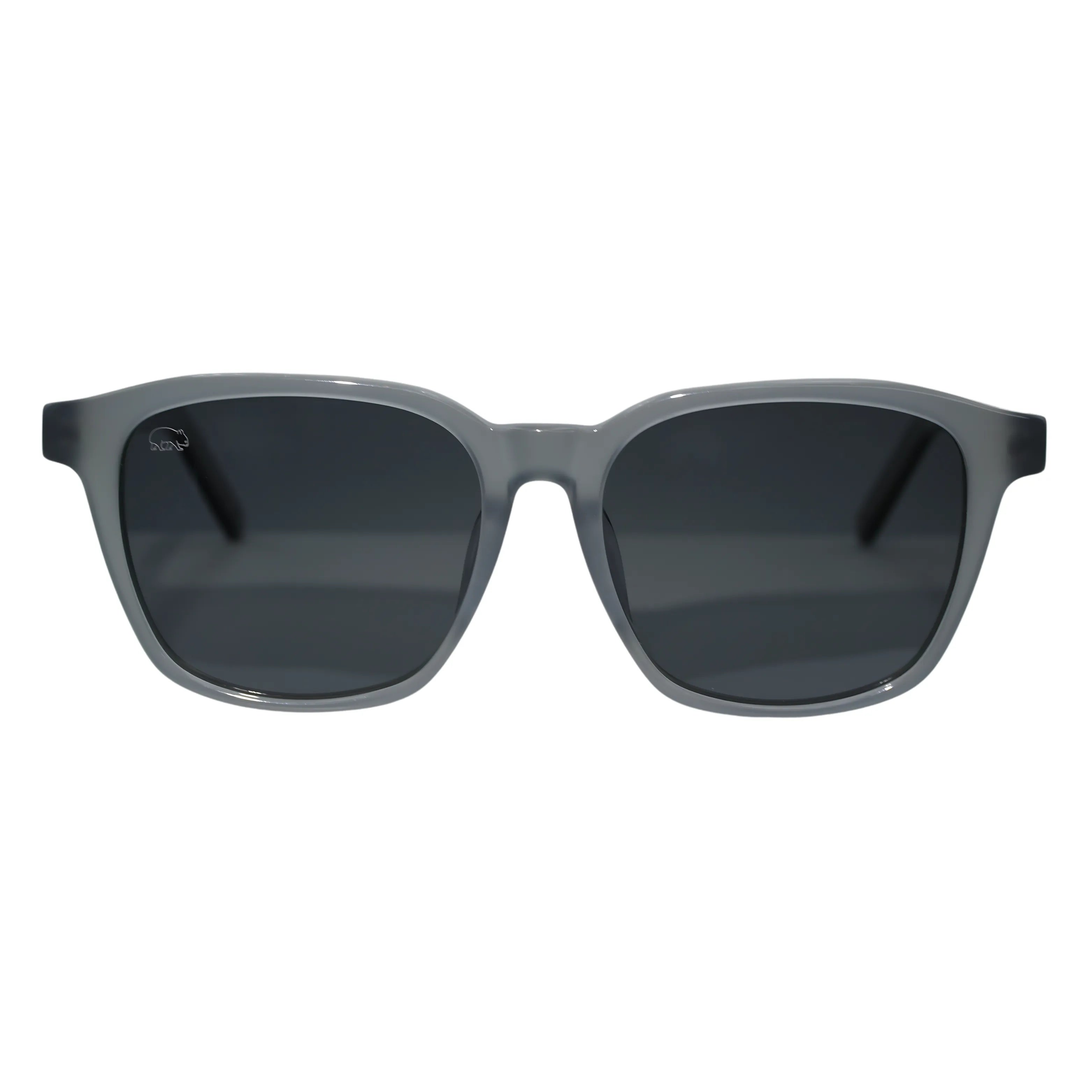
TR90 is the standard worth looking for. It is a memory polymer that flexes hard, springs back, and shrugs off heat far better than standard nylon or acetate. Every frame in our sport sunglasses range is built on it for exactly this reason.
Seven Fixes for Sunglasses Slipping, Ranked by How Well They Actually Work
Right, practical stuff. Work down this list in order.
1. Get the width right first. Hold the glasses up to your face and look straight ahead. The hinges should sit roughly level with your temples, not out past them. If they're wider, no amount of nose pad tech saves you.
2. Bend the temple tips down. On TR90 arms, run them under hot tap water for 30 seconds and gently curve the last two centimetres downward, following the shape behind your ear. This one adjustment fixes more slipping than everything else combined.
3. Swap to grippier nose pads. Most sport frames use an interchangeable nose bridge. Stick-on silicone anti-slip pads cost almost nothing and work surprisingly well on frames that don't.
4. Wear them over your helmet straps, not under. Cyclists, this is free stability. The strap creates a small shelf behind the arm and stops rearward movement.
5. Clean the pads, not just the lenses. Sunscreen and old sweat build up into a slick film on the nose pads. Wash them with warm water and a drop of dish soap once a week. While you're there, read our guide on how to clean sunglasses lenses without wrecking them.
6. Use a retainer for water and high-speed stuff. No shame in it. On a ski boat, a kayak or a fast descent, a cord is the difference between owning your sunnies and donating them to the Vaal.
7. Cap peak forward, glasses arms under the cap. Runners' trick. The cap brim stops rain and sweat running onto the lens, and the cap band adds a bit of friction across the arms.
The Fogging Problem Nobody Separates From Sunglasses Slipping
Here's the thing: people usually report slipping and fogging together, and then fix neither.
Fogging happens when hot, humid air off your face hits a cooler lens and condenses. It gets worse the moment you stop moving, which is why it hits at robots, at the top of a climb, or at a water table.
Three things help. Pick a frame with actual venting at the top of the lens. Avoid closed, tight-wrapping shields if you're a heavy sweater. And keep the anti-fog coating intact by never wiping a wet lens with your jersey.
If your current lenses are already scratched to bits and the coating is gone, you do not need new frames. Nyoo Custom cuts fresh polarized lenses for Oakley, Ray-Ban, Maui Jim, Costa and most other frames from R895. Same frames, new optics, a fraction of the cost of replacing the lot.
What to Look For When You Buy Your Next Pair
Quick checklist for summer:
- TR90 frame for heat resistance and flex
- Rubber nose pads and temple grips, ideally hydrophilic
- Frame width matched to your temples, not the widest pair in the shop
- UV400 rating, non-negotiable at our UV index
- Polarized or photochromic lenses depending on whether you're mostly on water and tar, or in and out of tree cover
If you ride through dappled light and open sun in the same session, our photochromic range does the adapting for you.
Stop Pushing, Start Riding
Sunglasses slipping is fixable in about ten minutes with a hot tap and a bit of honesty about frame width. If your current pair is past saving, we build sport eyewear for South African heat, sweat and sun, priced like normal humans should be able to afford it.
Shop the range at wombatgear.co.za — free delivery over R1,250, 12-month guarantee, and on your face in 2 to 5 days anywhere in SA.
#justbelekker #risetheunderdog