













Mirrored Sunglasses Lenses Explained: Do Mirror Coatings Actually Work?
It's 11am on a Highveld road ride. The sun is dead overhead, the tar is shimmering and your eyes are already squinting like you've just bitten into a lemon. Sound familiar?
That's the moment a decent pair of mirrored sunglasses lenses earns its keep. But are those shiny coatings clever tech or just a pretty finish? Let's get into it, lekker and simple.
What Are Mirrored Sunglasses Lenses?
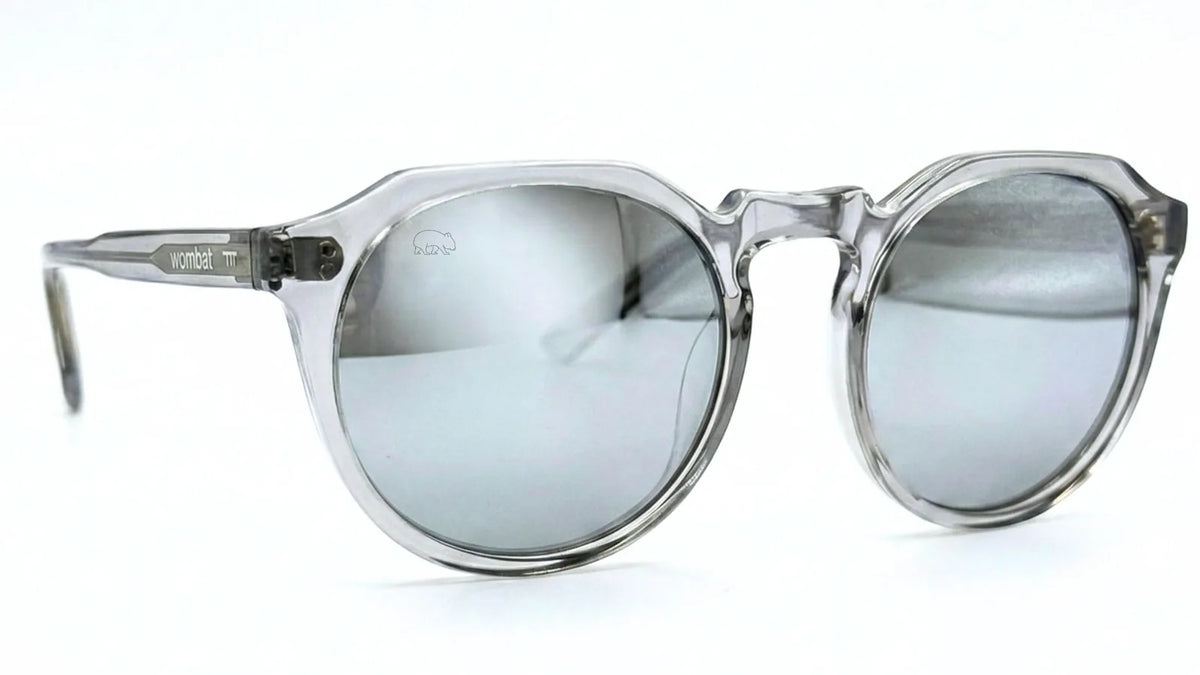
Mirrored lenses have a thin, reflective coating on the outer surface. Think of it as a one way mirror for light: some of the brightness bounces off before it ever reaches your eyes.
The coating is made of very thin layers of metal oxides. Different layers and thicknesses give you different colours and different amounts of light reduction.
How the coating cuts glare
Bright light hits the mirror layer and a portion is reflected away. Less light gets through, so your eyes work less hard and you squint less.
That's especially handy in open, high glare places: tar roads, sand, water and exposed mountain tops.
What the coating does not do
Here's the bit people get wrong. The mirror coating on its own is not what protects you from UV. UV protection comes from the lens material and its treatment, which is why you should always check for UV400 protection.
Likewise, a mirror coating is not the same thing as polarization. They're separate features, and the best lenses combine them.
Mirror Coating vs Polarized Lenses: What's the Difference?
Mirror coatings reduce overall brightness. Polarized lenses use a special filter that blocks the harsh, horizontal glare bouncing off flat surfaces like water and wet roads.
Think of it this way: mirror knocks the volume down, polarization removes the screech.
For an angler on the Vaal or a paddler at Hartbeespoort, polarized is the game changer. For a trail runner on a bright, open ridge, a mirror coat adds comfort. Pair them and you've got the full package.
When you want both
Choose a polarized, mirrored lens if you spend long hours near water, on open roads or on white sand. Choose a non-polarized mirror if you need to read bike computers or phone screens clearly, since polarization can sometimes make LCD screens look dim or patchy.
Which Mirror Colour Works for Which Activity?
Colour choices aren't just about looks. The base tint underneath matters most, and the mirror colour is the finishing touch. Here's the general rule of thumb.
Silver and blue mirrors
These are popular for bright, open conditions such as road cycling, beach days and watersport. They suit high light and strong glare.
Gold, copper and red mirrors
These tend to warm things up and can boost contrast on trails, which many MTB riders and trail runners like when light flickers between sun and shade. Warmer bases are generally better in mixed light.
Green and grey bases
Grey keeps colours natural, while green is a fine all rounder. Pick based on how true you want colours to look.
One honest tip: if you ride or run through heavy shade (think forest sections at Tokai or the Sabie trails), a very dark mirrored lens may be too dim. In that case, look at photochromic lenses, which adjust to changing light.
Are Mirrored Sunglasses Lenses Worth It in South Africa?
Short answer: yes, if you spend a lot of time in bright, open conditions. Our sunshine is generous, and your eyes will thank you for any help they can get. Squinting for hours is tiring, and tired eyes make for poor decisions on a descent.
That said, they're not a must for everyone. If you mostly train at dawn, dusk or under tree cover, a lighter, non-mirrored tint might suit you better.
Light, fit and frames matter too
Even the best mirrored lens struggles if the frame lets light sneak in from the sides. Look for a wrap around fit and a light, flexible frame. Our TR90 frames are tough, bendy and made to handle sweat, knocks and the odd tumble.
How to Look After Your Mirror Coating
Mirror coatings are thin, so they need a little love. Treat them badly and they'll scratch or peel.
Do this
Rinse with clean water first to wash off grit and dust. Then wipe gently with a microfibre cloth. A drop of lens safe cleaner is fine.
Don't do this
Don't wipe dry lenses on your shirt or jersey. Dust acts like sandpaper. Avoid harsh chemicals and never leave your sunnies on a hot dashboard.
We've got a full walkthrough in our guide on how to clean sunglasses lenses without wrecking them.
Scratched Mirrored Sunglasses Lenses? Replace, Don't Bin
Here's where it gets lekker. If your mirror coating is scratched but the frame is still sharp, you don't need to chuck the whole pair.
With Nyoo Custom lens replacement, we cut custom replacement lenses for Oakley, Ray-Ban and other popular brands. Fresh lenses, same frame, and far less waste. Your wallet and the planet both win. Have a look at our Nyoo Custom replacement lenses range to see what's possible.
Quick Checklist Before You Buy
- Is it UV400? Non negotiable.
- Do you need polarization (water, roads) or clear screens (bike computer)?
- Is the base tint right for your light conditions?
- Does the frame wrap and grip when you sweat?
Not sure? Browse our sport sunglasses and see what suits your sport.
Ready to Cut the Glare?
The right lens turns a squinty slog into a proper good time outside. Whether you're after polarized performance, a mirrored finish or a fresh set of lenses for your favourite frame, we've got you covered.
Shop Wombat Gear at wombatgear.co.za and #justbelekker. #risetheunderdog
Written by Petri Beyers | Wombat Gear Insights
Mirrored Sunglasses Lenses: Frequently Asked Questions
What are mirrored sunglasses lenses?
Mirrored sunglasses lenses have a thin reflective coating on the outer surface that bounces some incoming light away before it reaches your eyes. This reduces brightness and glare in strong sun, which is useful on open roads, trails, beaches and water.
Do mirrored lenses protect against UV?
Not by themselves. UV protection comes from the lens material and its UV treatment, not the mirror coating. Always look for lenses labelled UV400 protection, which blocks UVA and UVB rays up to 400 nanometres.
Are mirrored lenses the same as polarized lenses?
No. A mirror coating reduces overall brightness, while a polarized filter blocks the harsh glare reflected off flat surfaces such as water and wet tar. Many sport lenses combine both for the best glare control.
Are mirrored sunglasses good for cycling, running and fishing in South Africa?
Yes, they suit bright, open conditions such as road cycling, trail running on exposed routes and watersport. For fishing, choose a polarized lens as well so you can see below the water surface. In heavy shade or low light, a lighter or photochromic lens may work better.
Why do some mirrored lenses make my bike computer or phone screen look dark?
Polarized filters can make some LCD screens look dim or patchy. If you need to read a bike computer or phone often, a non-polarized mirrored lens is usually the better choice.
How do I clean mirrored sunglasses without scratching the coating?
Rinse with clean water to remove grit, then wipe gently with a clean microfibre cloth. Avoid wiping dry lenses on clothing and avoid harsh chemicals or hot dashboards, as these can scratch or damage the thin coating.
Can I replace scratched mirrored lenses instead of buying new sunglasses?
Often, yes. Wombat Gear's Nyoo Custom service cuts custom replacement lenses for Oakley, Ray-Ban and other popular brands, so you can keep your favourite frame and save money and waste.