

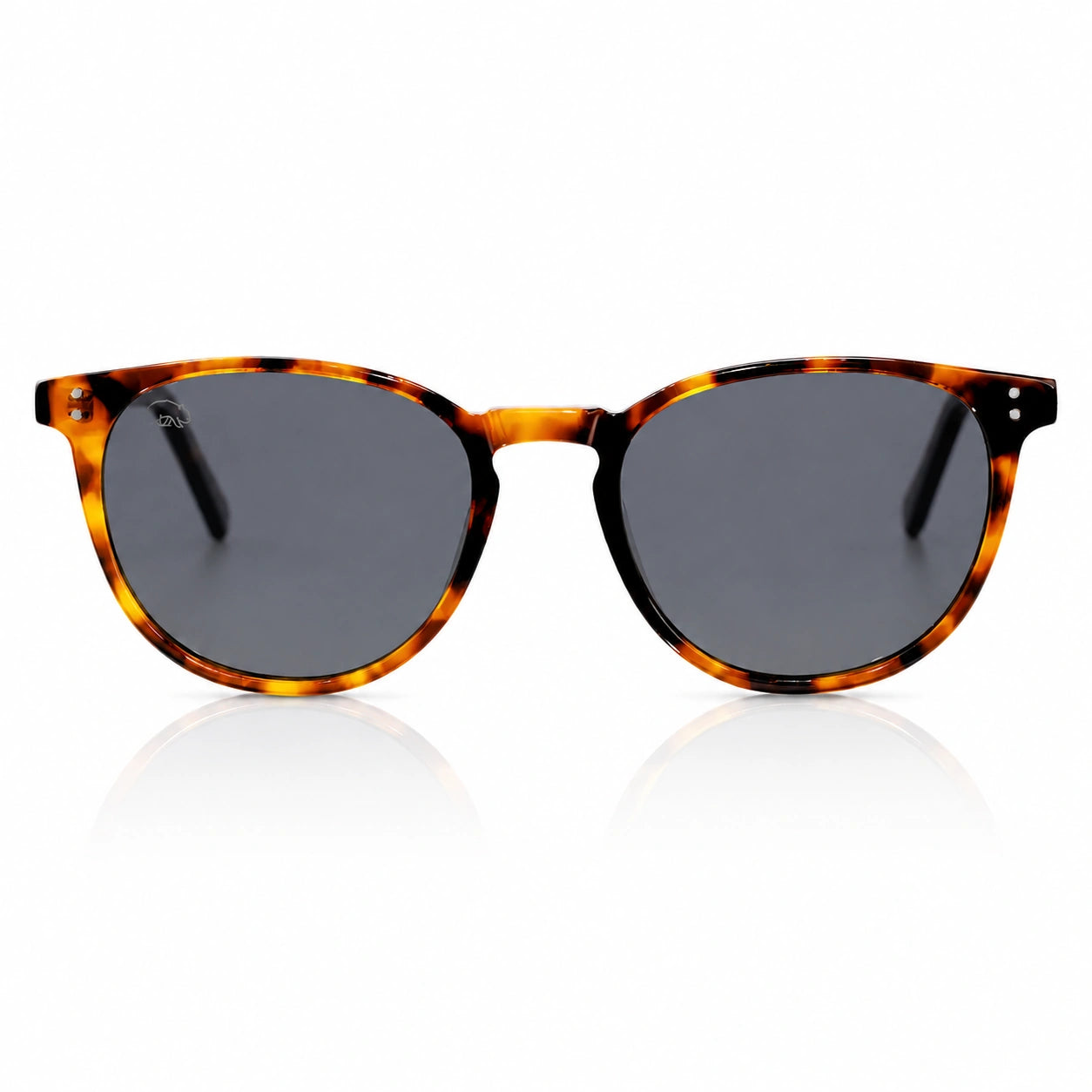


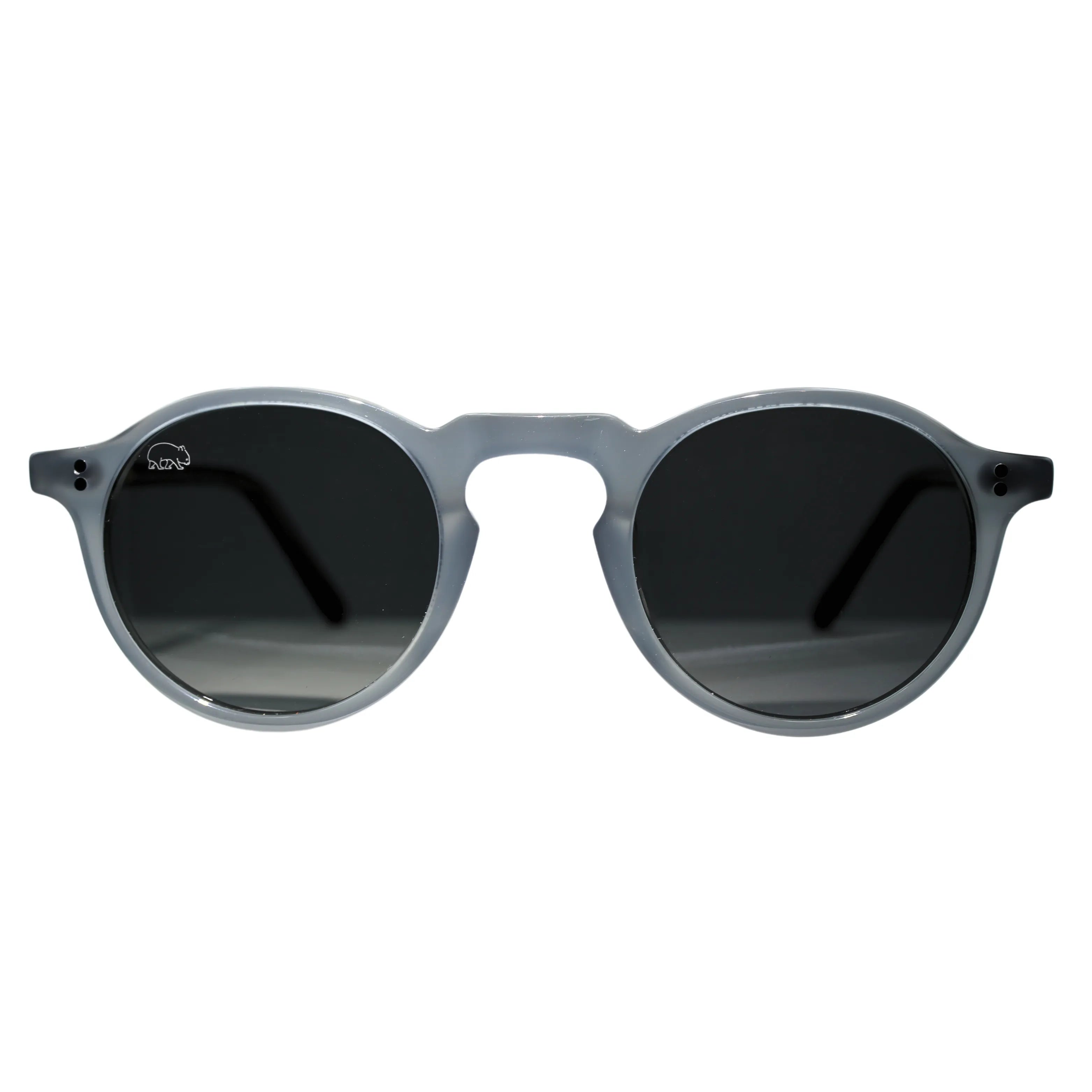
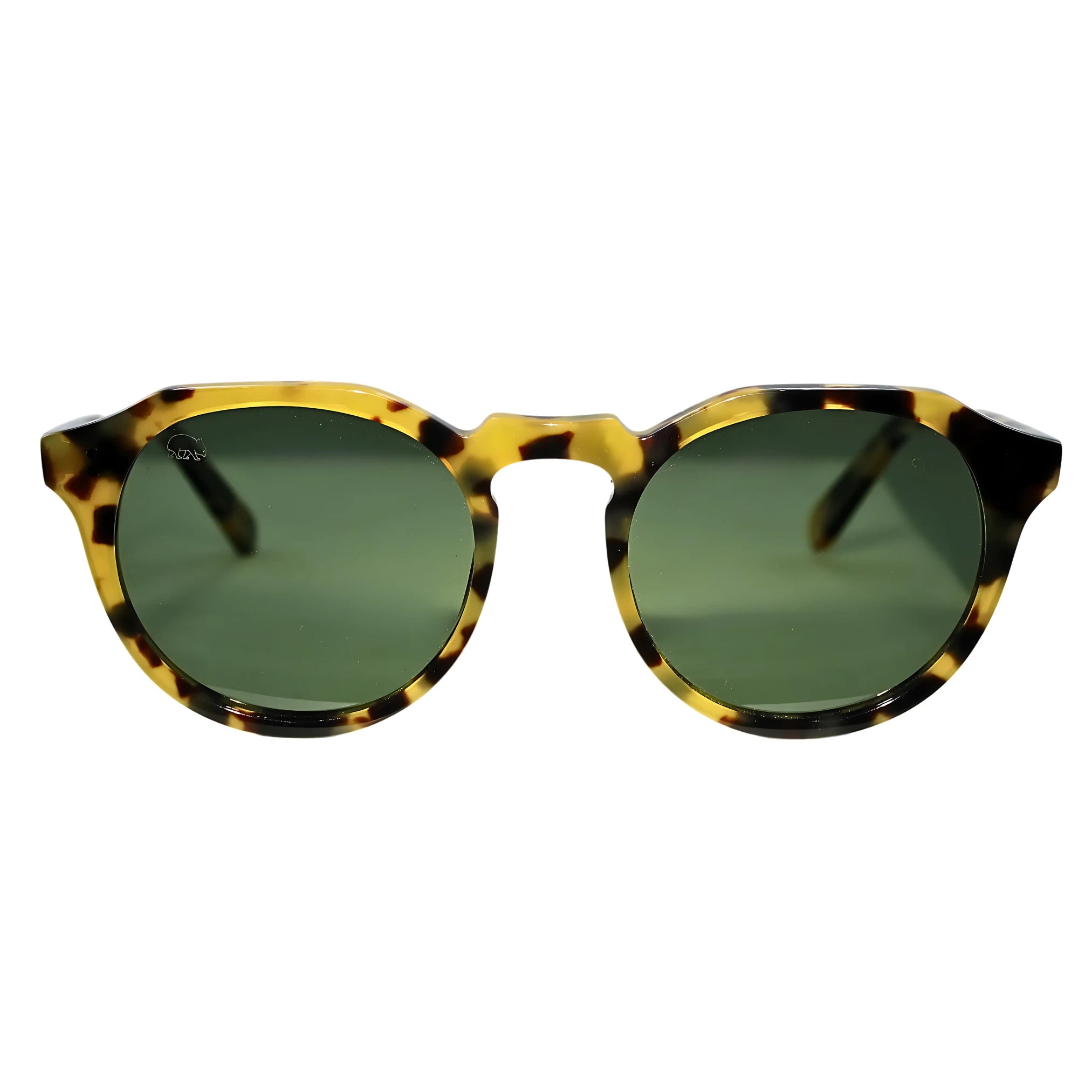


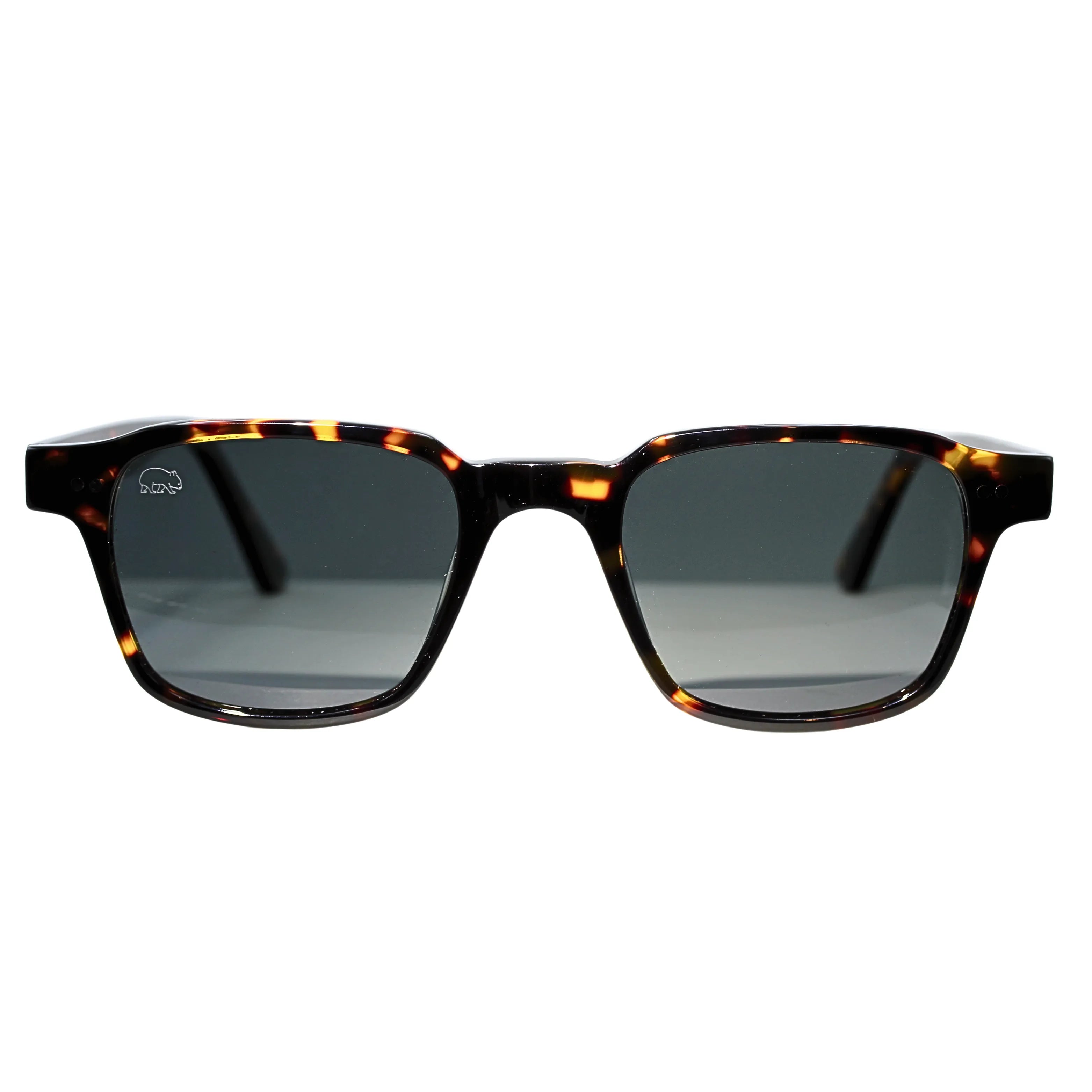






Pollen Season in South Africa: The Allergy Gear Nobody Talks About
Every spring, thousands of South Africans throw antihistamines at a problem that is partly walking in through their eyeballs.
Pollen season in South Africa kicks off right about now, and if you train outdoors you are the person who cops it worst. You are outside, breathing hard, moving fast through air thick with grass and tree pollen, with your eyes wide open and completely unprotected.
Then you wonder why your eyes are streaming by kilometre six.
Here's the bit most people miss: your sunglasses are not just a UV tool. Used properly, they are one of the cheapest allergy interventions you own.
What Actually Happens During Pollen Season in South Africa
Spring here is September to November, and it does not mess about. Tree pollen: oak, plane, cypress, mulberry, opens the season, then grass pollen like ryegrass, kikuyu and bermuda takes over and hangs around.
Because of our warm climate, grass seasons in South Africa run long. Some regions see grass pollen for the better part of nine months. Spring is simply the loudest part of it.
The South African Pollen Network (SAPNET) monitors this properly, with sites in Cape Town, Johannesburg, Pretoria, Durban, Bloemfontein, Kimberley and Gqeberha. You can check the current count for your city at pollencount.co.za before you head out, it takes ten seconds and it is free.
Why athletes get hammered harder
Three reasons, and they stack:
You are outdoors at peak pollen times: early morning and late afternoon are usually the worst, which is exactly when most of us train.
You are moving through the air rather than sitting in it, so you sweep up far more particles per minute.
And wind; the Cape south-easter, the Highveld berg wind, drives pollen and dust straight at your face at eye level.
It's not "just hay fever", it's your eyes
The eye-specific version has a name: allergic conjunctivitis. Itching, redness, watering, gritty feeling, puffy lids. It is miserable, and on a bike or a technical trail it is genuinely unsafe.
Streaming eyes mean blurred vision. Blurred vision at 40km/h on a descent is not a small thing.
How Sunglasses Cut Your Pollen Load
This is not a marketing claim we made up. There is published research on it.
A randomised study of 70 patients with seasonal allergic rhinoconjunctivitis found that adding wraparound eyeglasses to standard medical treatment improved symptoms and quality of life compared to medication alone. A separate study looked specifically at the protective effect of sunglasses on conjunctival symptoms in seasonal rhinitis.
Both point the same way: a physical barrier in front of your eyes reduces how much pollen lands on them.
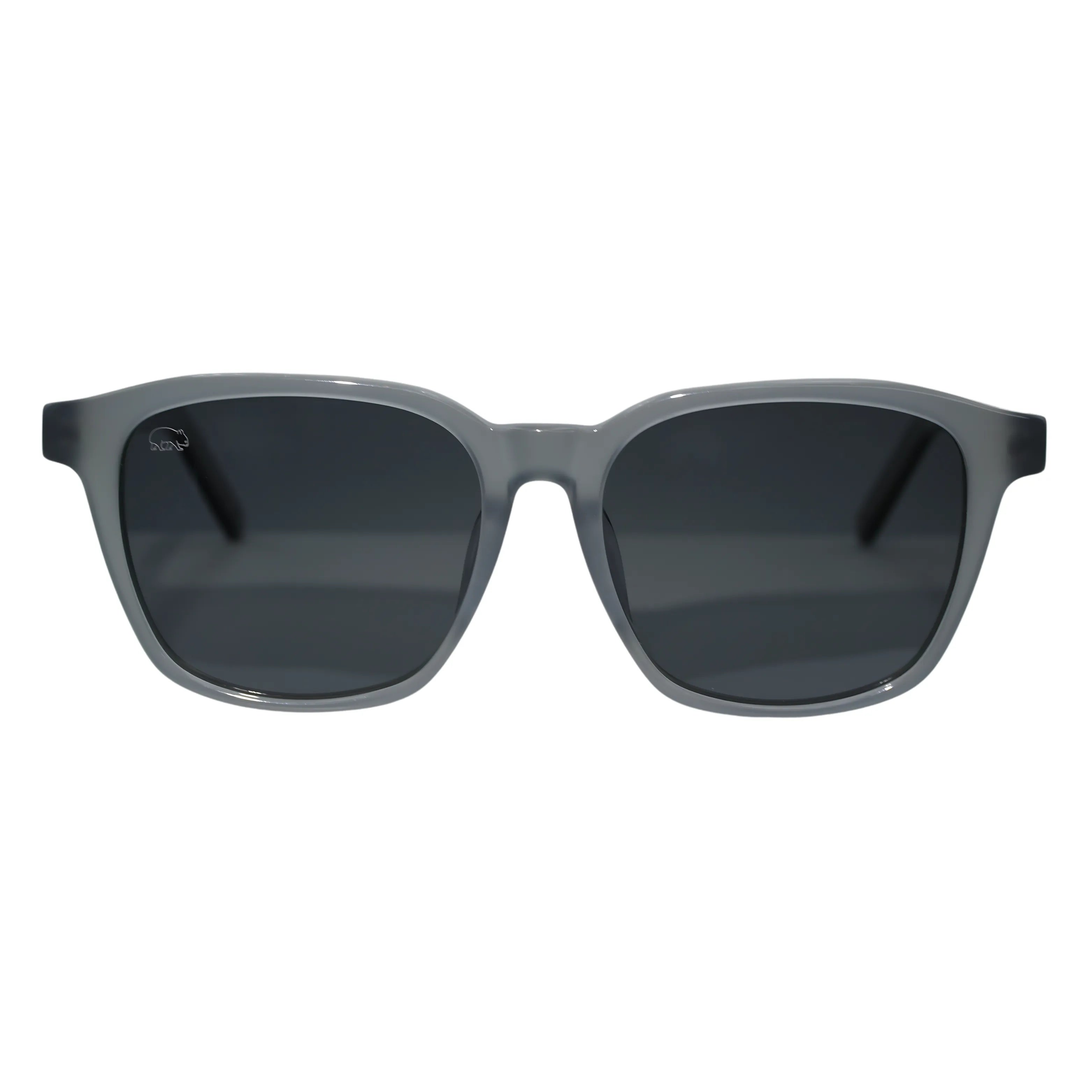
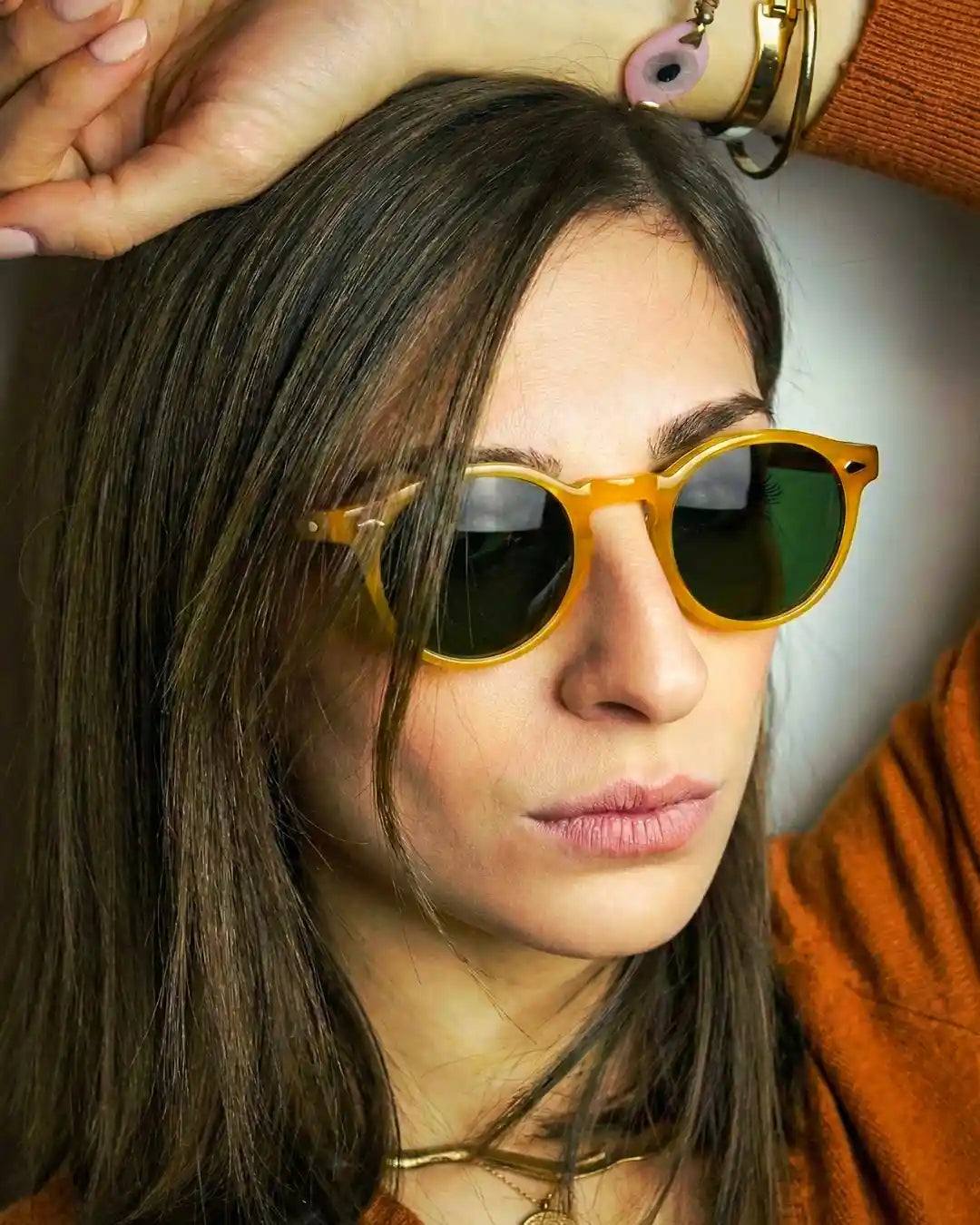
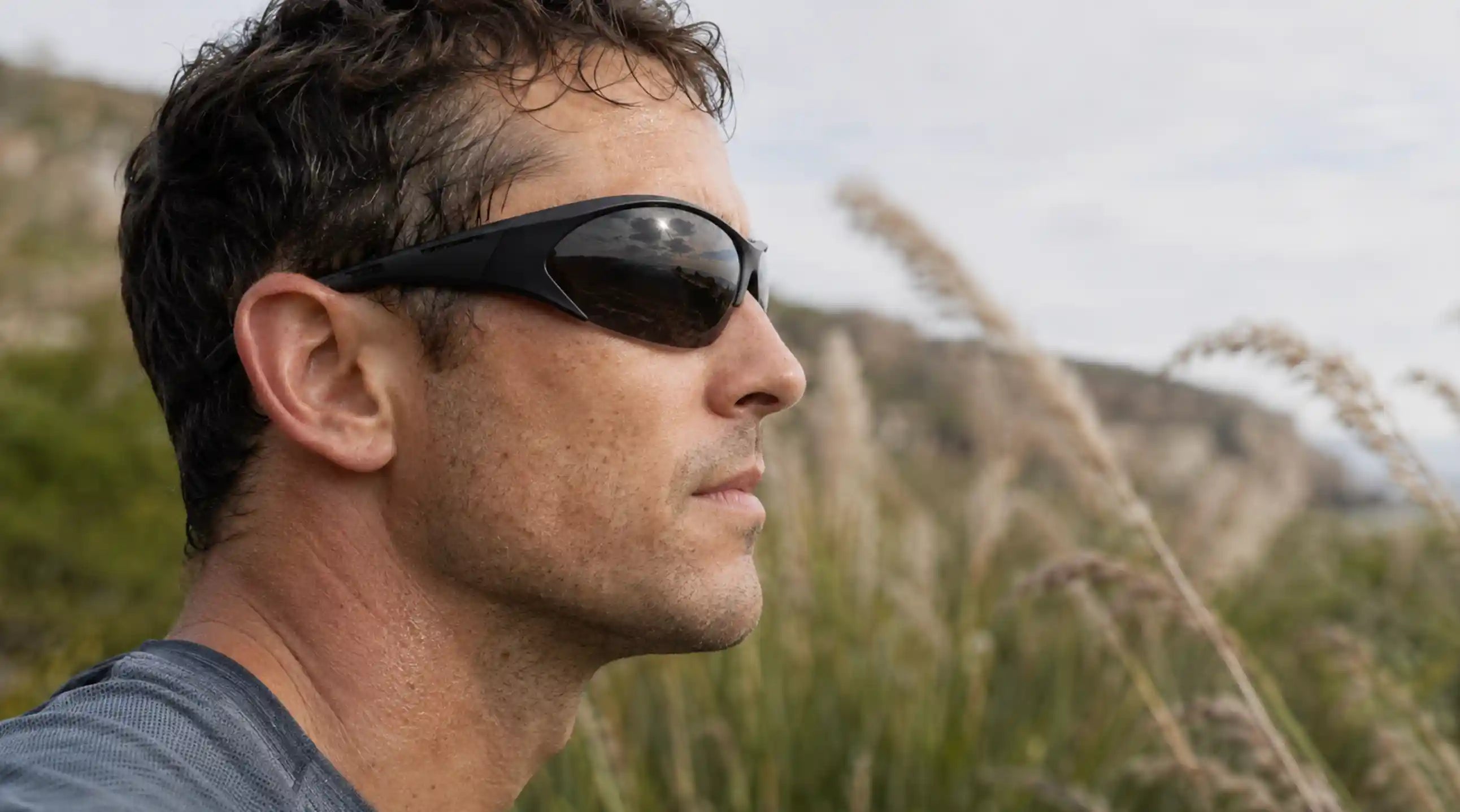
The word doing the heavy lifting is wraparound. A flat, narrow fashion frame leaves big open gaps at the temples. Wind carries pollen straight through those gaps and dumps it on your conjunctiva.
A proper curved sport frame closes those gaps. That's the whole mechanism — coverage and fit, not magic.
What to look for in a spring frame
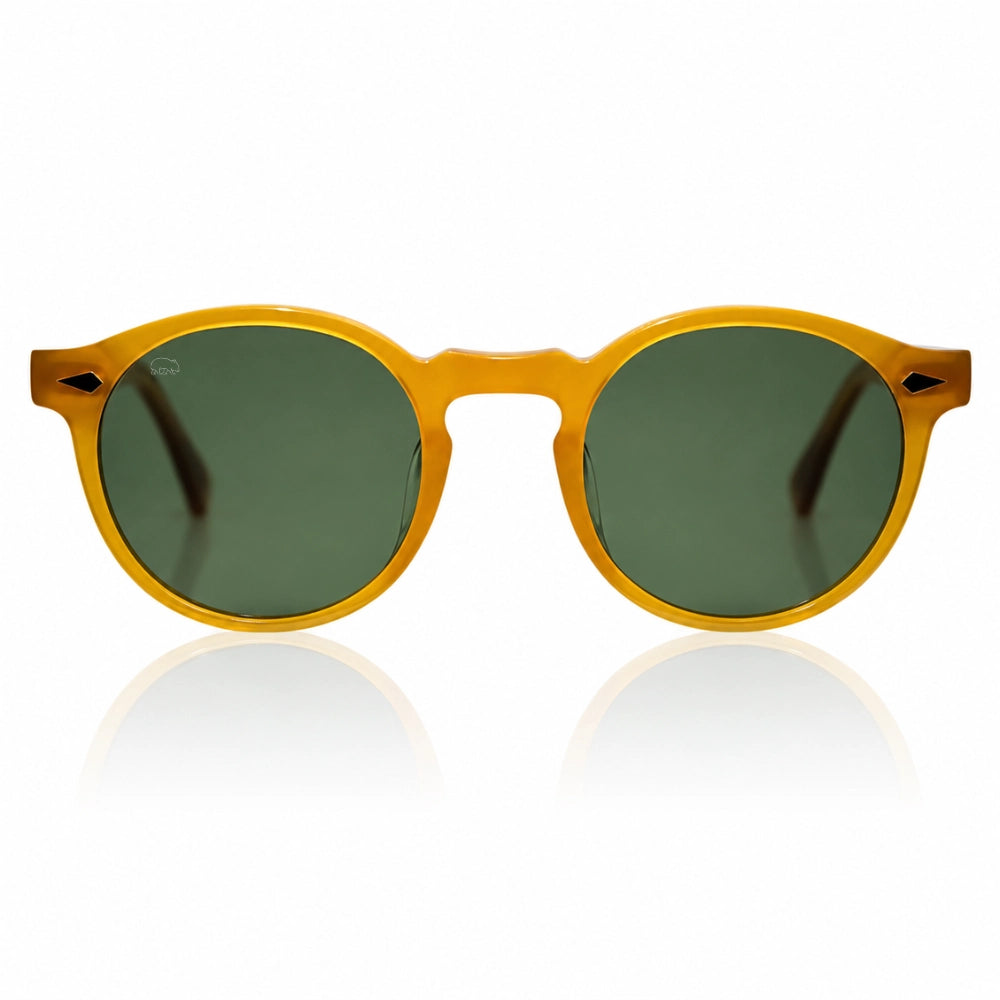
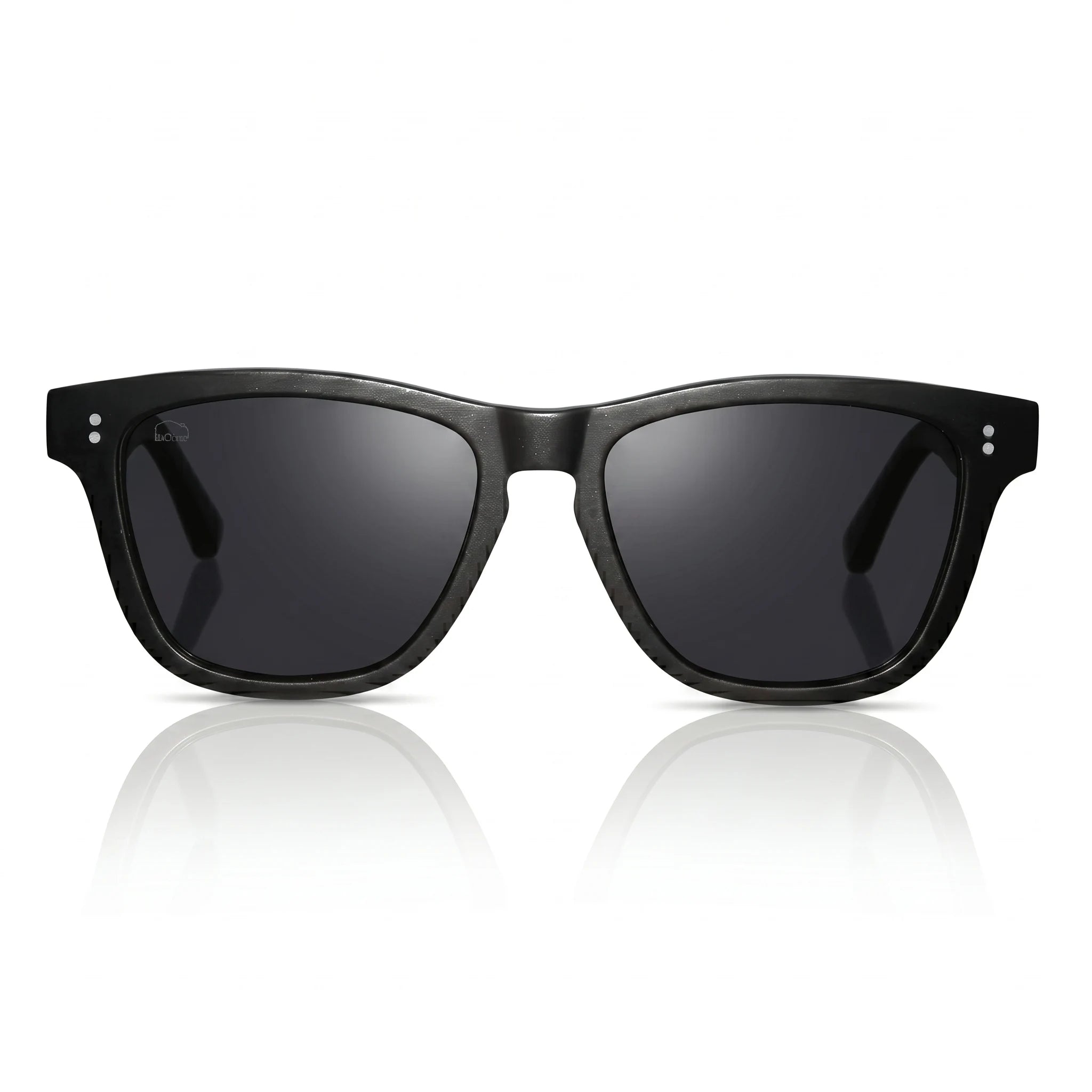
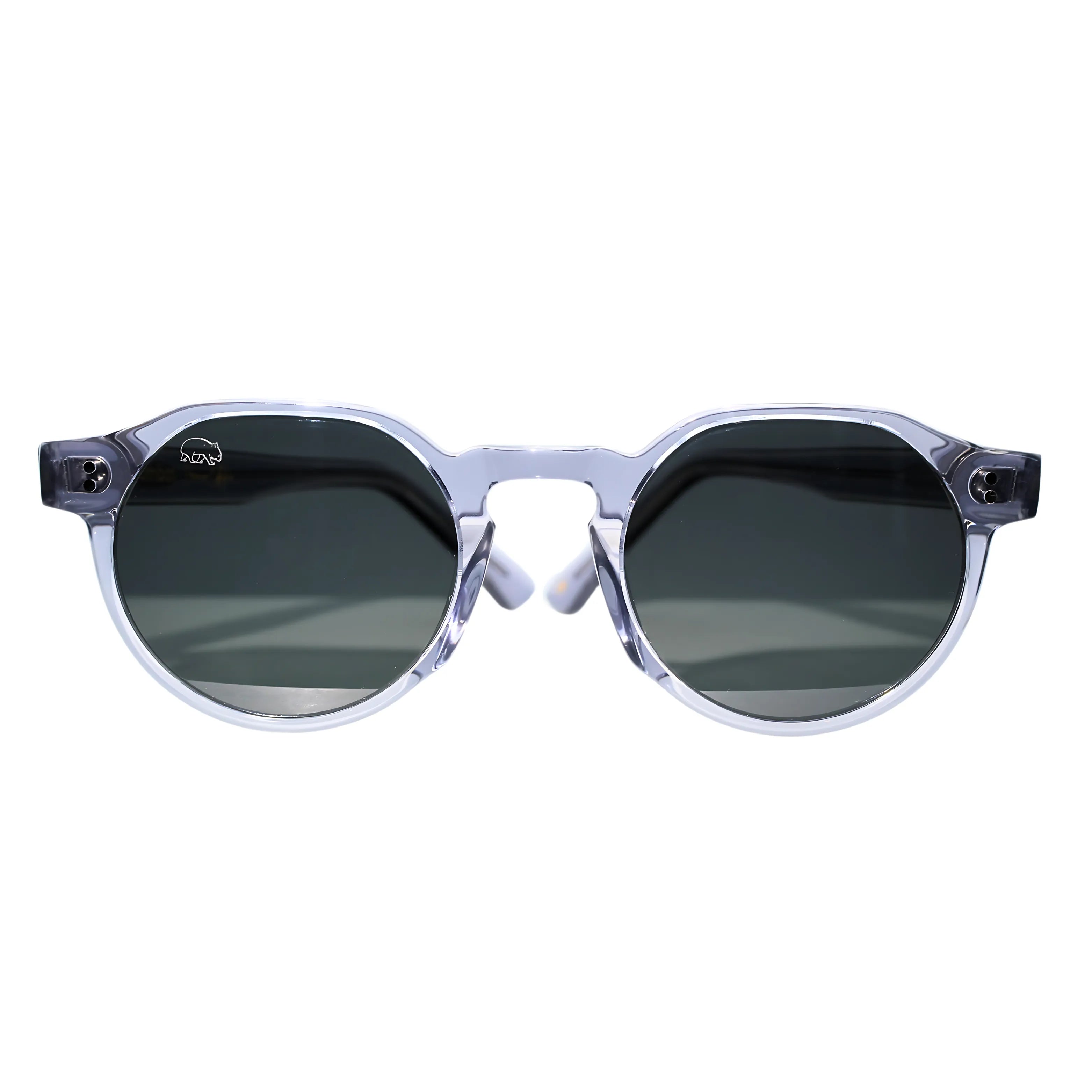
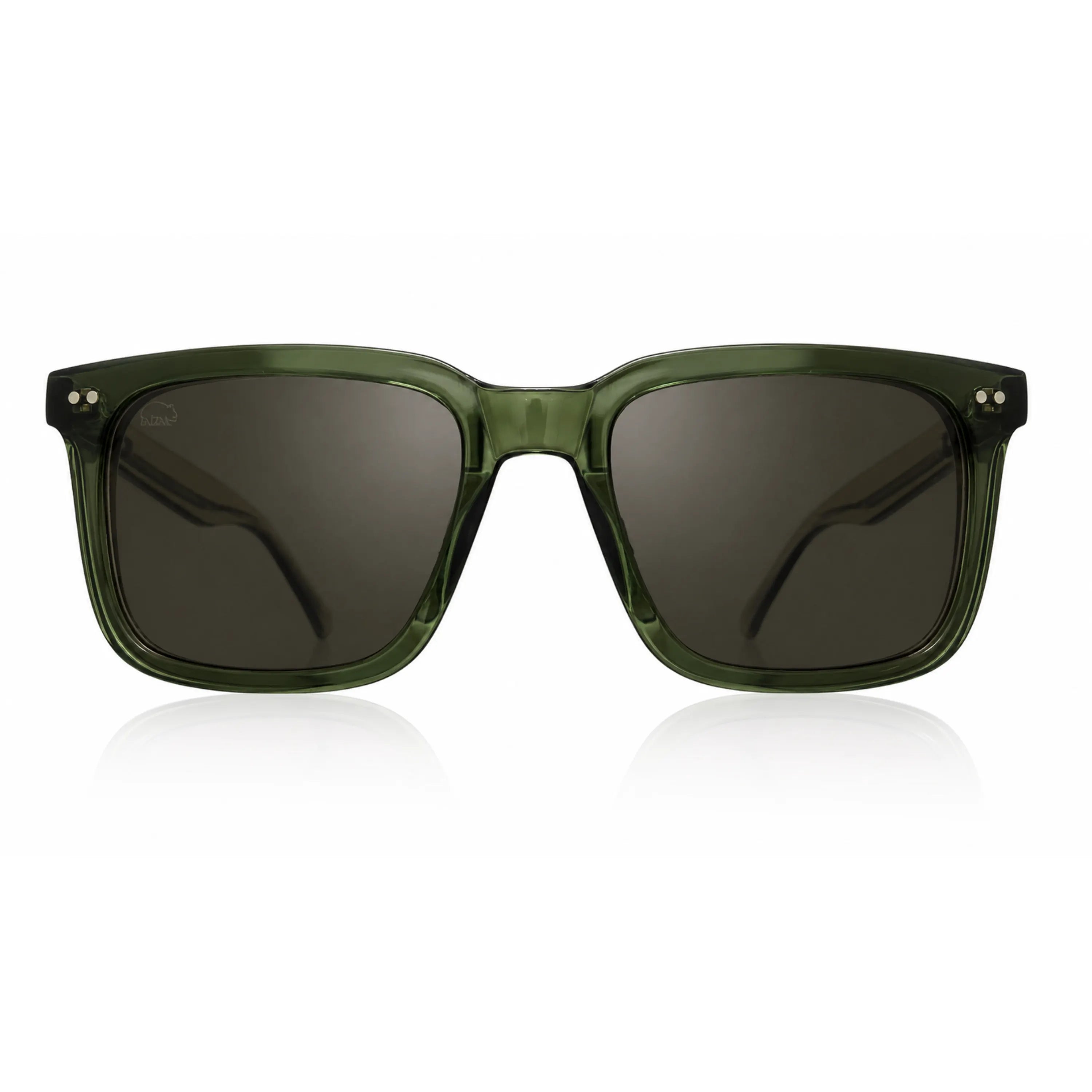
Wrap and coverage. The lens should follow the curve of your face and sit close at the temples. Big lens, minimal side gap.
A frame that stays put. TR90 frames flex without snapping and grip when you sweat. A frame that slides down your nose opens gaps exactly where you don't want them.
UV400. Non-negotiable, allergy or not. Spring UV climbs fast in SA and your eyes cop the same cumulative damage your skin does.
The right tint for changing light. Spring light is all over the place — flat mornings, glaring middays. Photochromic lenses adapt as the light shifts, so you keep the barrier on your face instead of pushing your sunnies onto your head at the first bit of shade.
That last point matters more than it sounds. Sunglasses only block pollen while they are actually over your eyes.
Beating Pollen Season in South Africa: A Practical Routine
None of this is complicated. It just needs doing.
Check the count before you go. SAPNET publishes weekly reports by city. High grass count and a howling wind? Shift the session to later, or take it indoors.
Wear the wraparounds from the driveway. Not from the trailhead. Pollen exposure starts the second you step outside.
Rinse your face and eyes afterwards. Cool water, straight after. Get it off your skin and lashes before you rub it into your eyes.
Rinse your frames too. Pollen and dust sit on the lens and the nose pads, and you put those back on your face tomorrow. Cool water, then dry properly, and please, not with your cycling jersey. We wrote a whole guide on cleaning lenses without wrecking them because this is how most lenses die.
Don't rub. We know. Rubbing feels incredible for four seconds and makes it worse for four hours.
Talk to a pharmacist or your doctor if symptoms are wrecking your sleep or your training. Eyewear is a barrier, not a treatment — it works alongside proper allergy care, not instead of it.
Already own good frames? Don't buy new ones.
If your Oakleys or Ray-Bans have the right wrap but the lenses are scratched to bits, replacing the lens is the cheaper and greener move. Our Nyoo Custom cut replacement lenses fit most frames and come polarised with full UV400.
Scratched lenses scatter light, which strains your eyes, which makes gritty allergy eyes feel even worse. Fixing the lens fixes two problems at once.
Sort Your Eyes Out Before Spring Sorts You Out
Pollen season is already loading. The wind is coming. Your eyes are the only bit of exposed mucous membrane you take out on every single ride, run and paddle.
Cover them properly and spring gets a whole lot more lekker.