












Polarised Sunglasses for Driving in South Africa: Worth the Money?
Quick answer: Polarised sunglasses for driving cut reflected glare from tar, bonnets and wet roads, which makes daytime driving in South African sun more comfortable and detail easier to see. They are not ideal for night driving, and some drivers struggle to read LCD dashboards through them. Always check for UV400 as well.
Between 1 December 2025 and 11 January 2026, South Africa recorded 1 427 road fatalities from 1 172 crashes, according to the Minister of Transport. Glare is not the headline cause of those numbers, and I won't pretend otherwise. But if you're about to drive the N2 to the Garden Route or the N1 to Joburg this December, anything that makes you see better and tire slower is worth a proper look. That's where polarised sunglasses for driving come in.
Are polarised sunglasses good for driving in South Africa?
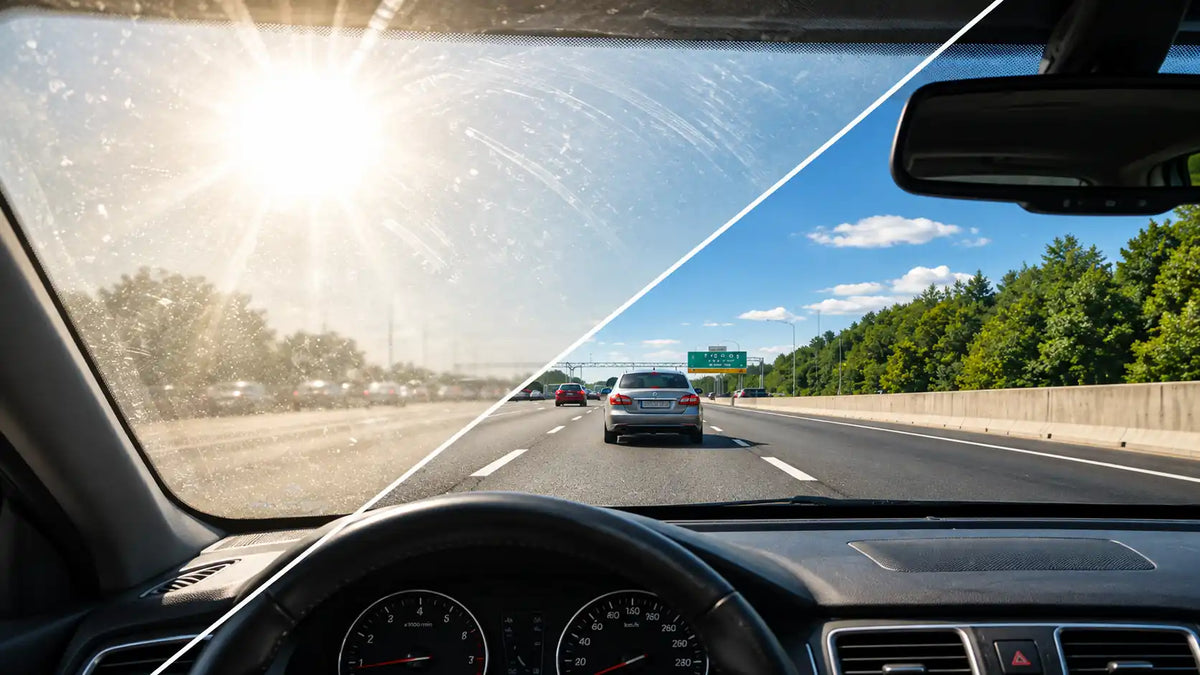
Yes, polarised sunglasses are good for daytime driving in South Africa because they reduce reflected glare. Cleveland Clinic says polarised lenses reduce glare from reflective areas such as water, asphalt and snow, and that they do a good job of removing glare while driving.
Harvard Health adds that wearing them can minimise glare, reduce eye strain and help you make out details more clearly. On a long Karoo straight at 2pm, that adds up.
They are not magic, though. Let's look at how they work and where they fall short.
How do polarised sunglasses for driving actually work?
Polarised lenses contain a filter that blocks light waves bouncing off flat, horizontal surfaces. That bounced light is what you experience as glare off a hot bonnet, a wet road after a Cape Town winter shower, or the dashboard reflecting into your windscreen.
A normal tinted lens just makes the whole scene darker. A polarised lens targets the harsh reflected part and leaves the rest. The result is the same world, with less squinting.
Polarised does not mean UV protected
Harvard Health states that polarised lenses alone do not protect against ultraviolet light. UV protection is a separate feature, so always look for a UV400 label. Our polarised vs non-polarised guide goes deeper on this.
When do polarised lenses struggle behind the wheel?
Polarised lenses struggle with LCD screens and at night. Cleveland Clinic cautions that instrument panels and LCD screens can be hard to see through polarised lenses, and Harvard Health lists car dashboards among the displays that can be affected.
Harvard Health also says polarised sunglasses should not be worn while driving at night. Sunglasses of any kind cut the light reaching your eyes, and that is the last thing you want on a dark road.
A quick test before you commit
Sit in your own car, put the sunglasses on and look at the dashboard, the infotainment screen and your phone mount. Tilt your head slightly. If the screen vanishes or goes patchy, you know before you've spent a cent on a long trip.
Which lens tint is best for driving?
Grey and brown tints are the usual starting point for driving. Grey keeps colours looking natural, while brown tends to lift contrast in hazy or bushy conditions. This table is general guidance based on how tints behave, not a lab result, so try before you buy.
| Lens tint | Best driving conditions | Watch out for |
|---|---|---|
| Grey or jet black | Bright, open highway sun and coastal glare | Can feel flat in hazy light |
| Brown | Mixed light, tree-lined roads, hazy days | Slight colour warmth |
| Grey gradient | Long drives where you glance at the dash often | Less shade in the lower part of the lens |
| Mirror coatings | Very bright sun, beach roads | Can add reflections if you wear them on a dull day |
| Clear or no tint | Dusk, night and tunnels | No sun protection |
If mirror lenses interest you, our mirrored lenses explainer covers whether those coatings really work.
What should you look for in polarised sunglasses for driving?
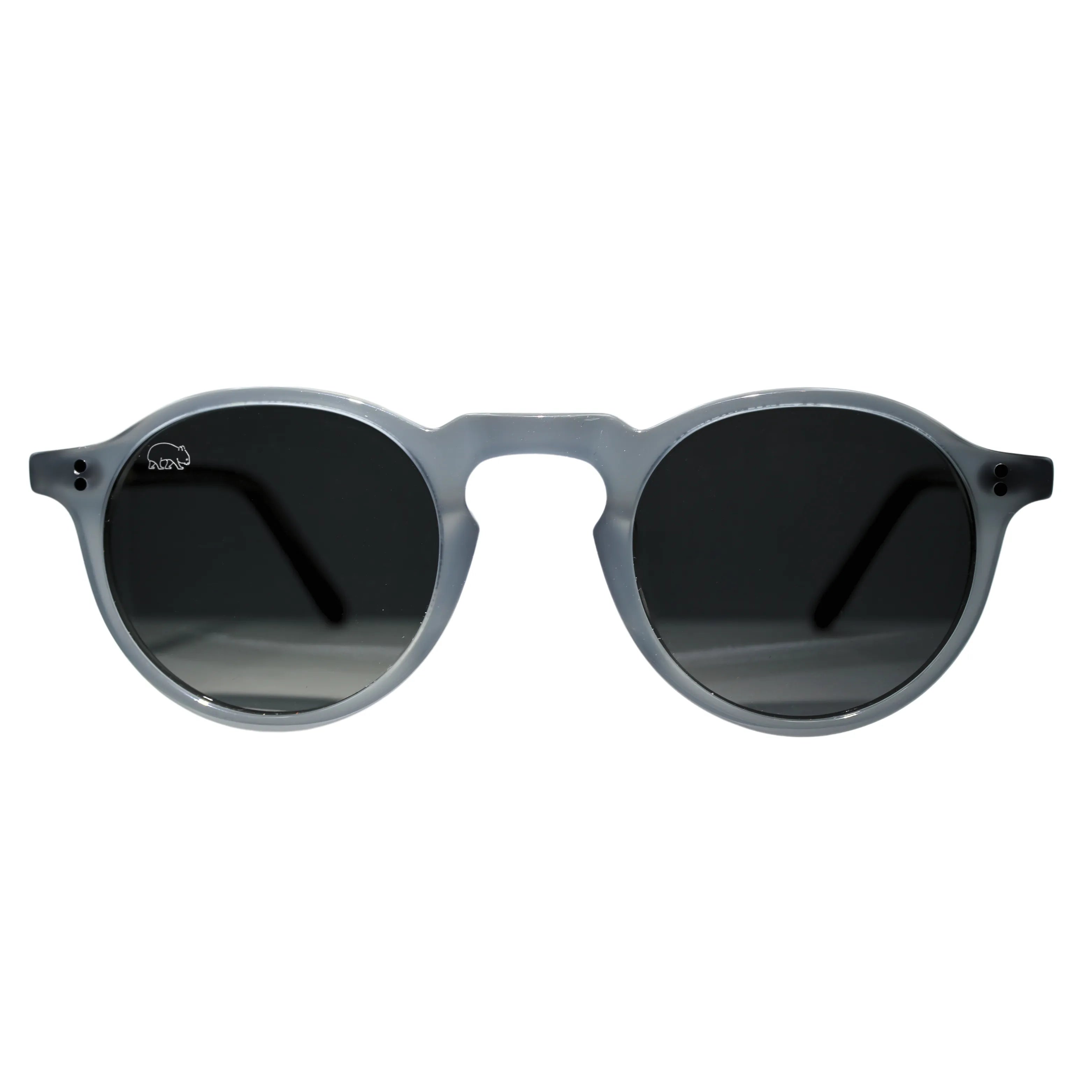
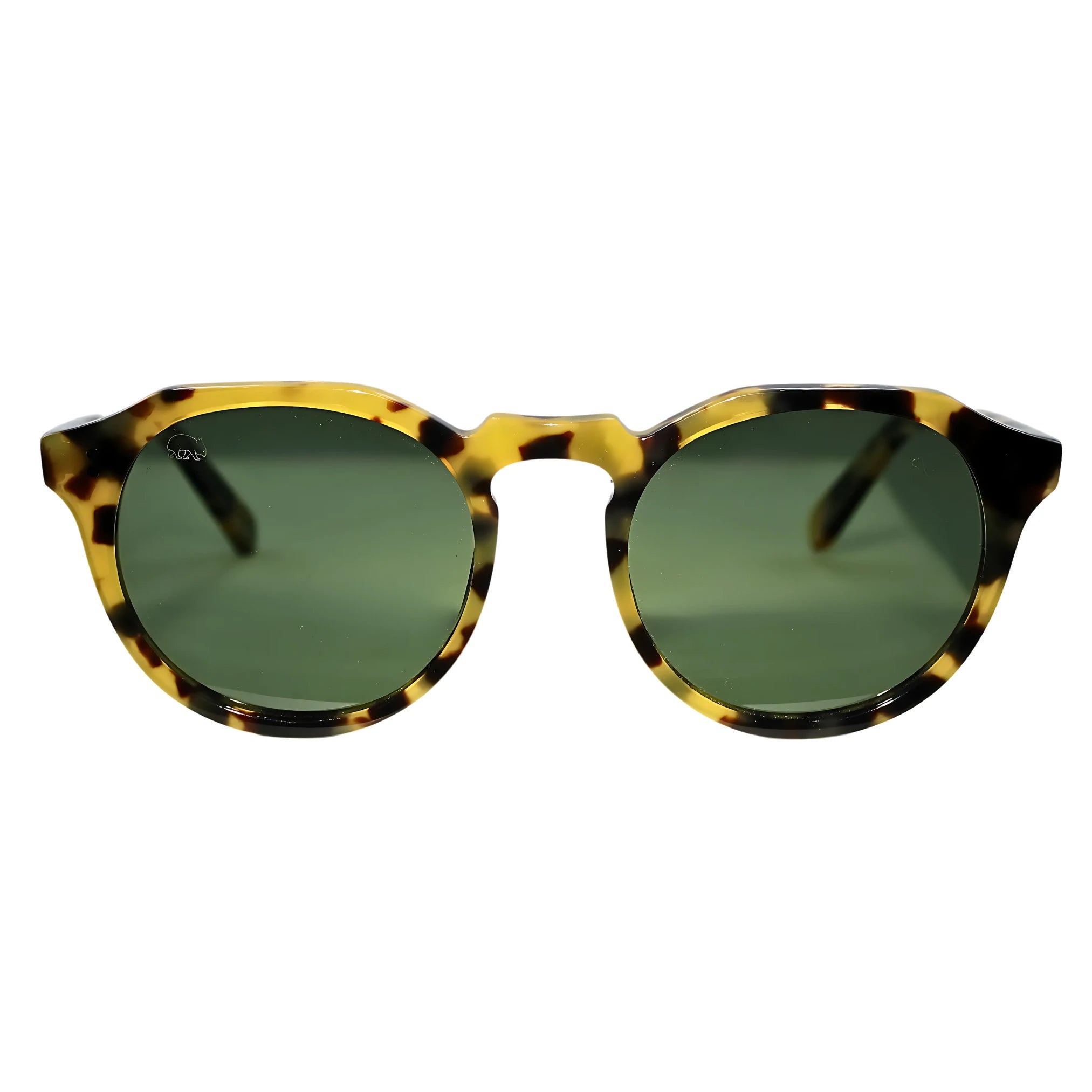
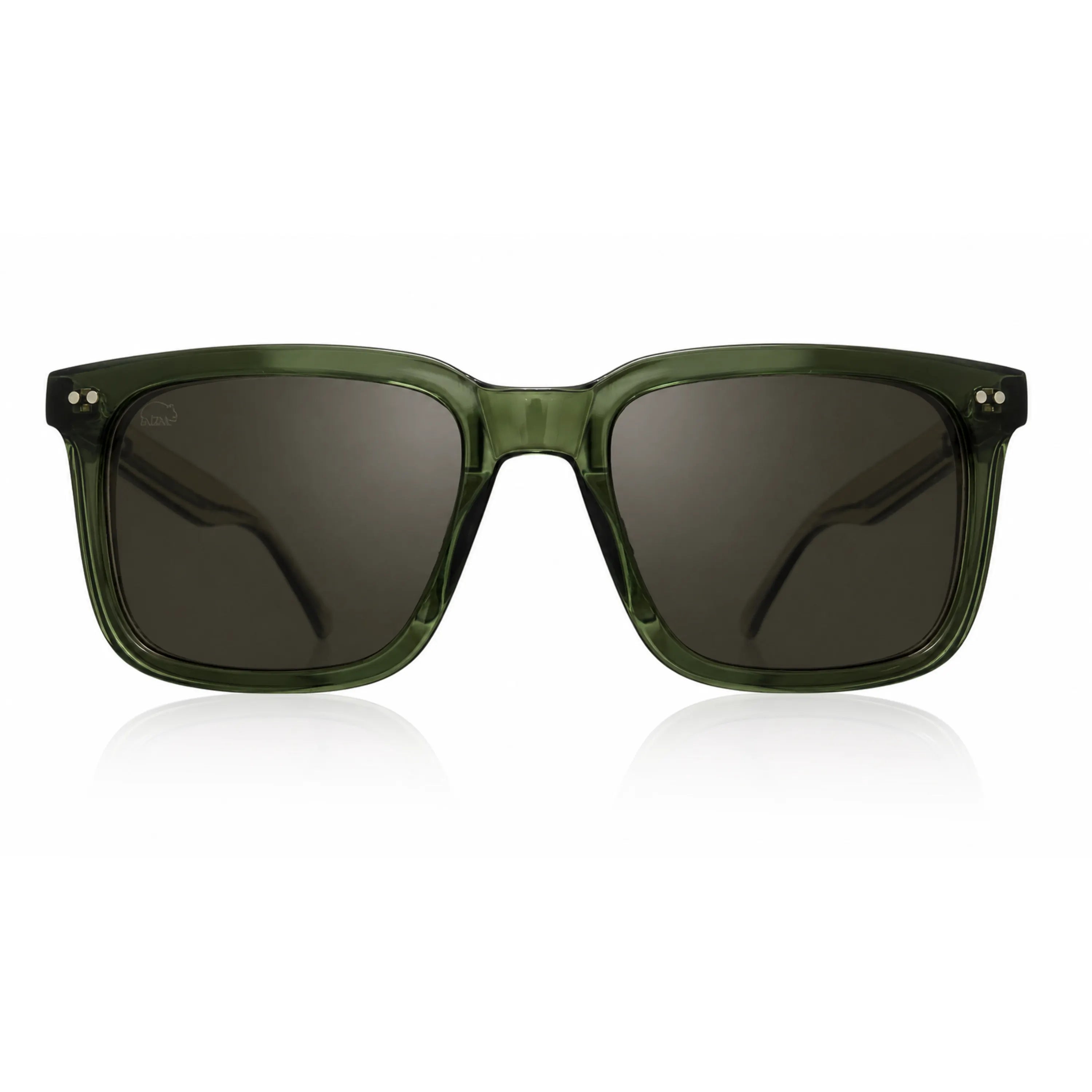
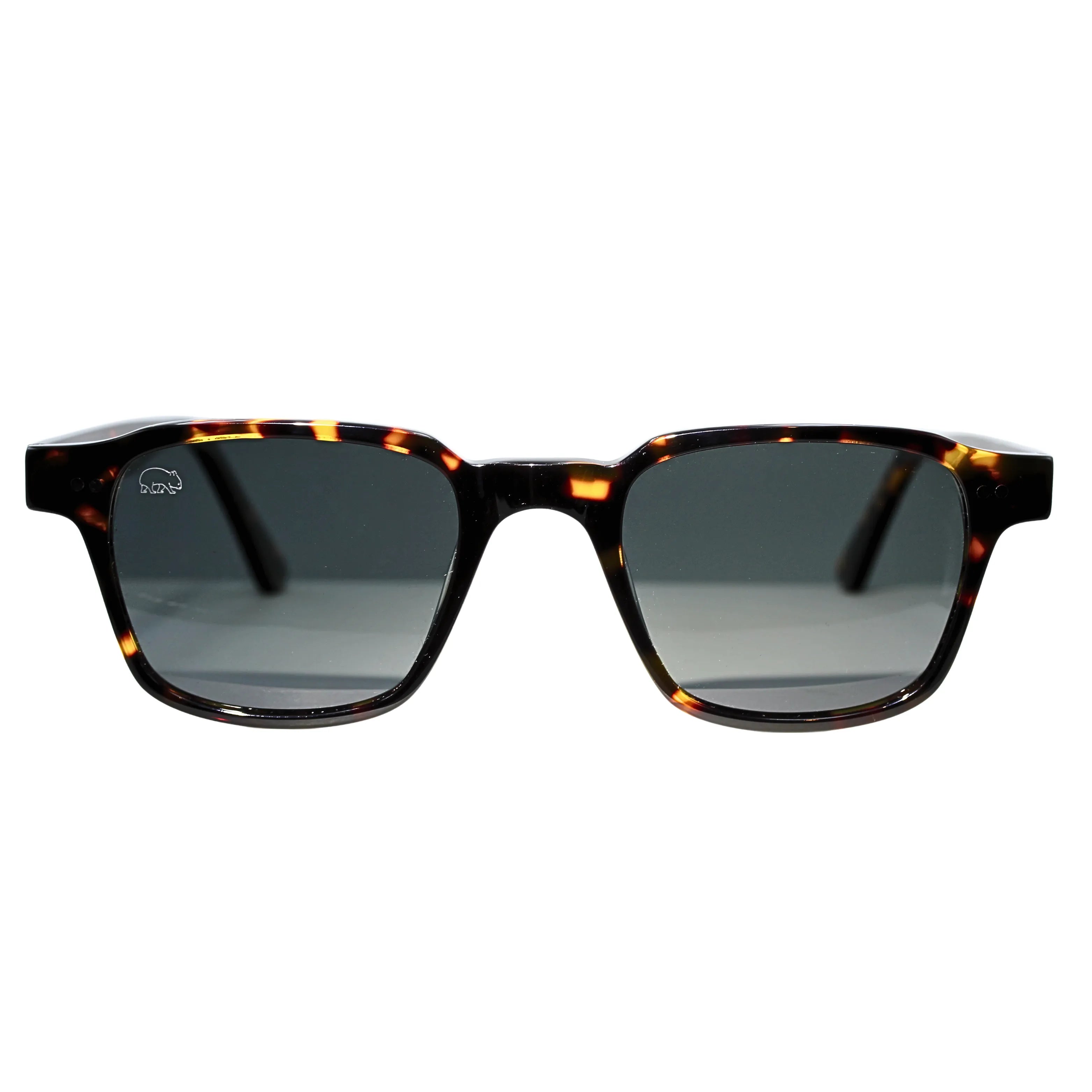
Look for UV400 protection, a comfortable lightweight frame, and a lens tint you can live with for hours. Skip frames that pinch your temples, because discomfort adds to fatigue on a six-hour drive.
Lightweight frames and secure fit
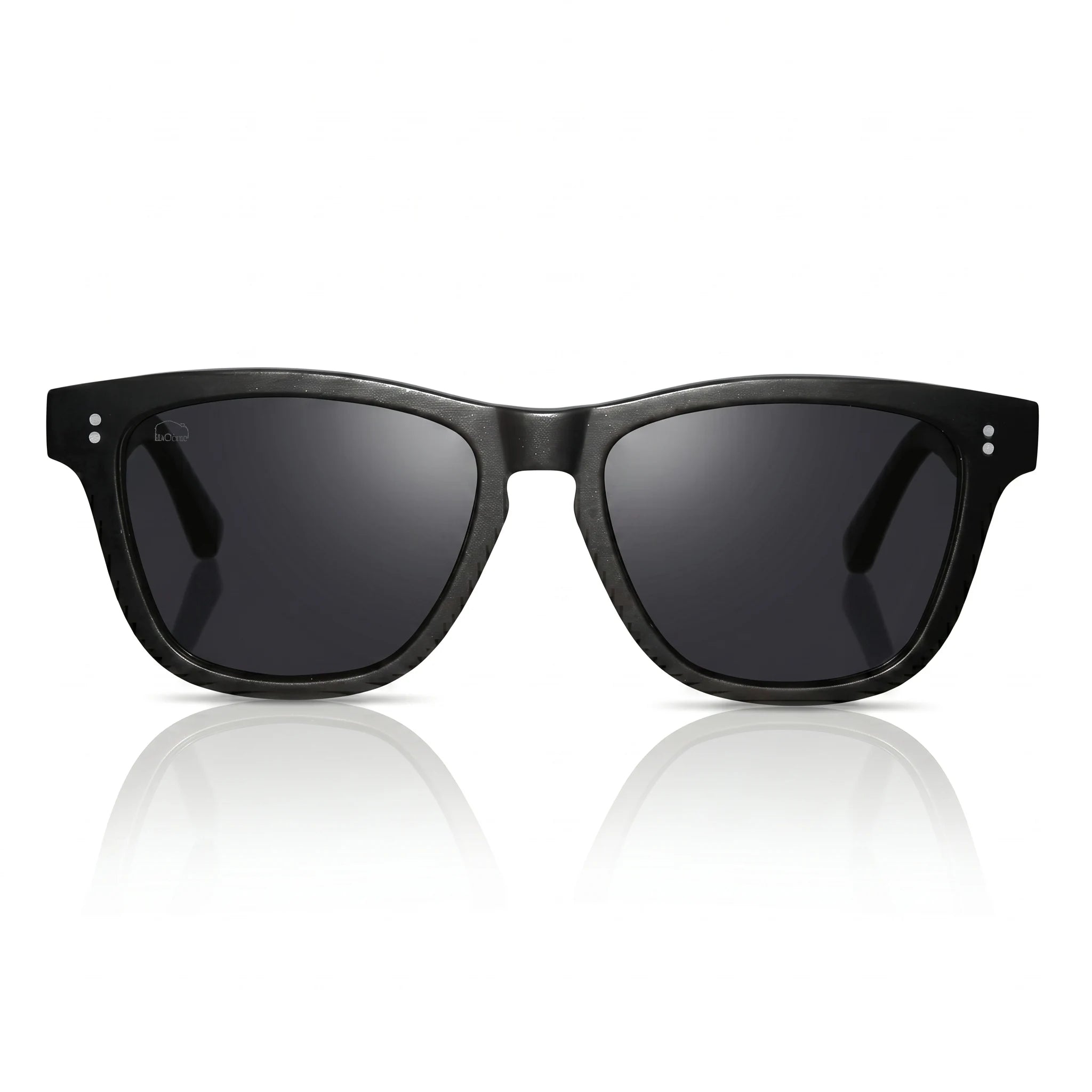
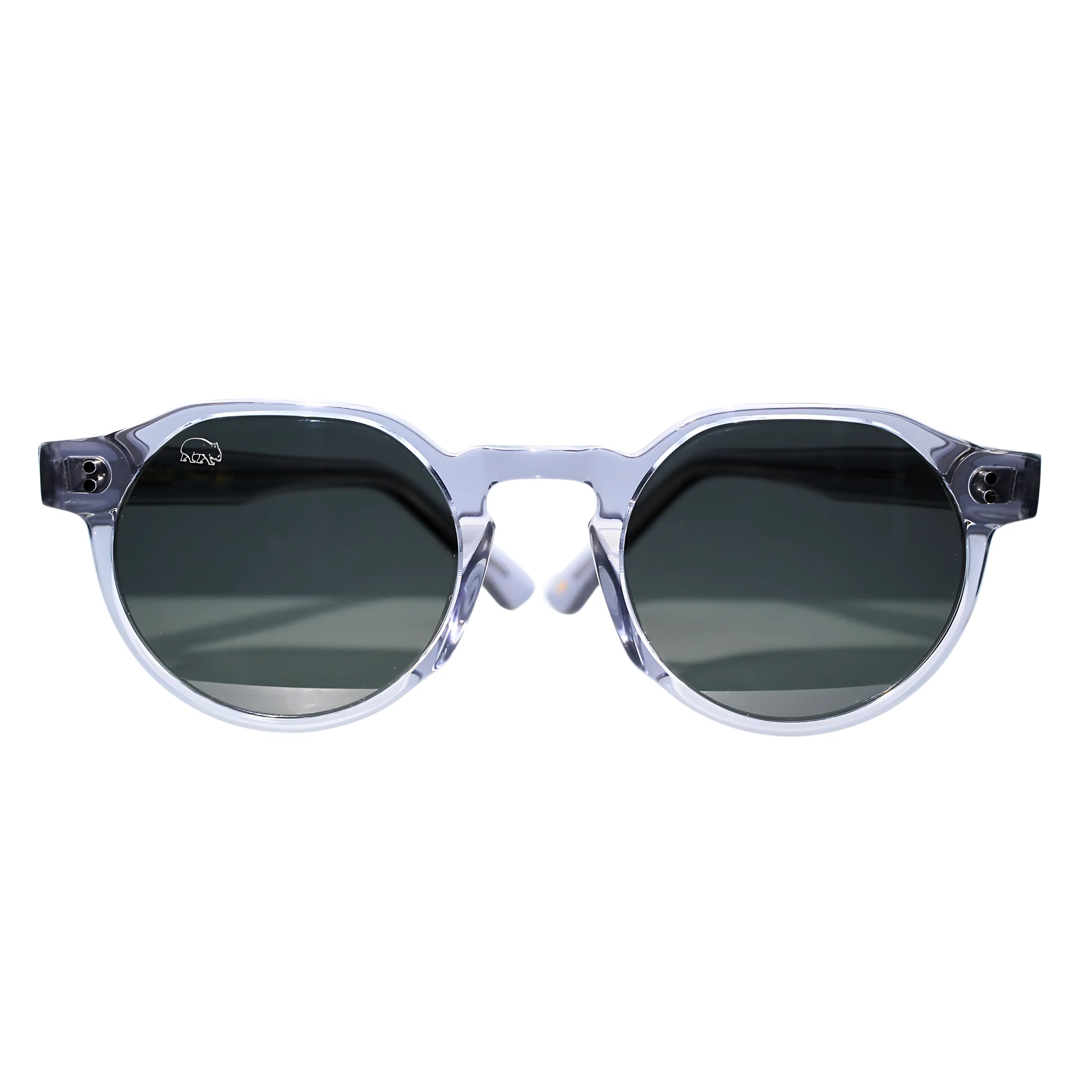
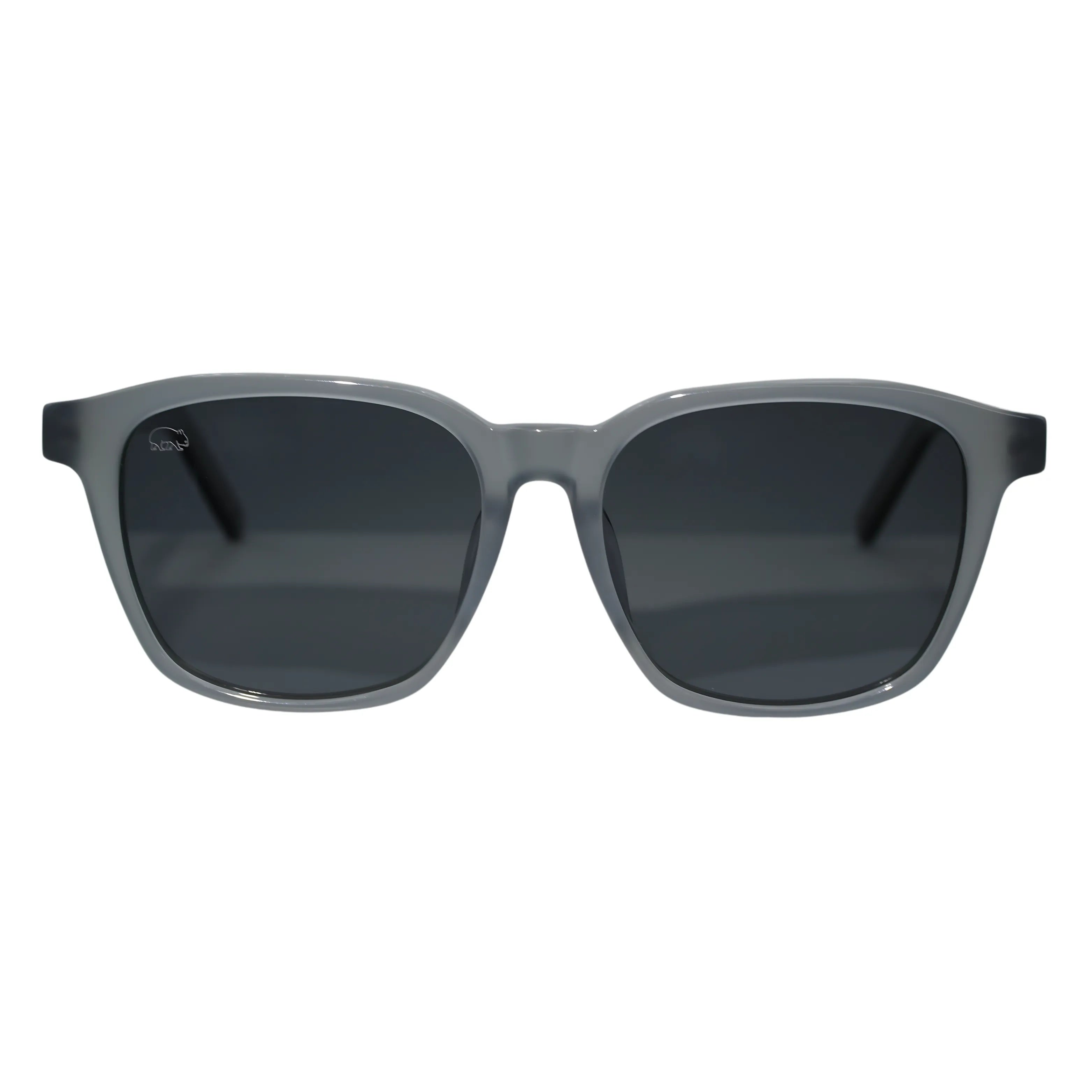
The Glitch 2.0 (R945) has polycarbonate mirrored polarised lenses, CAT3 UV400 protection and a TR90 frame that Wombat Gear lists at only 25 grams. It comes in matt black or transparent grey. It's a sport frame, so it also works if your road trip includes a beach run or a hike.
Keep them clean
Smudges scatter light and defeat the point of a good lens. Our guide to cleaning sunglasses lenses shows how to do it without scratching the coatings.
Can you upgrade the sunglasses you already own?
Yes, often you can. If your favourite frames are fine but the lenses are scratched or not polarised, Wombat Gear's custom cut replacement lenses are made in Cape Town to suit your exact frame model. Prices start at R495 for clear lenses, with polarised options from R895.
Wombat Gear's page lists polarised tints including Jet Black, Grey Green, Dark Brown and Grey Gradient, which suit driving well. Our Oakley and Ray-Ban lens range is also worth a browse. Photochromic options exist too, such as the photochromic range (R1,045), though those are not listed as polarised.
The bottom line for your summer road trip
Polarised sunglasses for driving are a smart upgrade for daytime glare, as long as they have UV400, you test them against your dashboard, and you take them off when the light fades. They won't fix fatigue on their own, so stop, stretch and swap drivers. If you want to browse, start with our sport sunglasses collection.
This article is general information, not medical advice. For anything about your vision, see an optometrist.
Frequently asked questions
Are polarised sunglasses better than normal sunglasses for driving?
For daytime driving, yes, in most cases. Polarised lenses filter reflected glare from flat surfaces such as tar and car bonnets, while ordinary tinted lenses only darken everything evenly. The trade-off is that polarised lenses can make some LCD screens harder to read, so test a pair in your own car.
Why can't I read my car's screen with polarised sunglasses on?
Many LCD screens, including some dashboards, phones and watches, emit polarised light. Polarised lenses can block or dim that light depending on the angle, so the display looks dark or patchy. Tilting your head or the screen often helps. If it bugs you, keep a non-polarised pair for driving.
Can I wear polarised sunglasses for driving at night?
No. Harvard Health advises against wearing polarised sunglasses when driving at night, and any sunglasses reduce the light reaching your eyes after dark. Take them off at dusk and switch to clear lenses or no lenses. If night vision bothers you, see an optometrist.
Do polarised lenses protect my eyes from UV?
Not by themselves. Polarisation cuts glare, while UV protection is a separate feature of the lens. Harvard Health notes polarised lenses alone do not block UV, so look for a UV400 label. The Wombat Gear Glitch 2.0 lists CAT3 UV400 protection alongside its polarised lenses.
Are photochromic lenses good for driving in South Africa?
They can be, but I'm not certain how well they perform in every car. Many photochromic lenses react to UV, and windscreens can filter a lot of UV, so they may darken less behind glass. Test a pair on your regular route, or ask an optometrist.
Can I get polarised lenses for the sunglasses I already own?
Often, yes. Wombat Gear's Nyoo custom cut replacement lenses are cut to suit your exact frame model, made in Cape Town, and start from R495, with polarised options from R895. Use the Lens Finder on the product page to check whether your frame is eligible.
Ready to sort your driving shades?
Grab a pair of The Glitch 2.0, or give your old frames a second life with Nyoo custom cut replacement lenses. Either way, #justbelekker on the road.