












Photochromic Lenses: The Smart Way to Handle South African Winter Light
Here's something most weekend warriors get wrong: winter is not the season to leave your sunglasses at home. On the Highveld, sitting at 1,200 to 1,800 metres above sea level, UV intensity climbs by roughly 10% for every 1,000 metres you go up. Clear winter skies and that thin highveld air mean midday UV regularly hits a 3 to 7 on the index, even in July. Translation? Your eyes are still getting cooked while you train.
The problem is that winter light is moody. You roll out at 06:00 in near darkness, grind through grey early light, then get smacked by blinding low-angle sun by 09:00. One tint cannot win that fight. This is exactly where photochromic lenses earn their keep.
What Are Photochromic Lenses, Really?
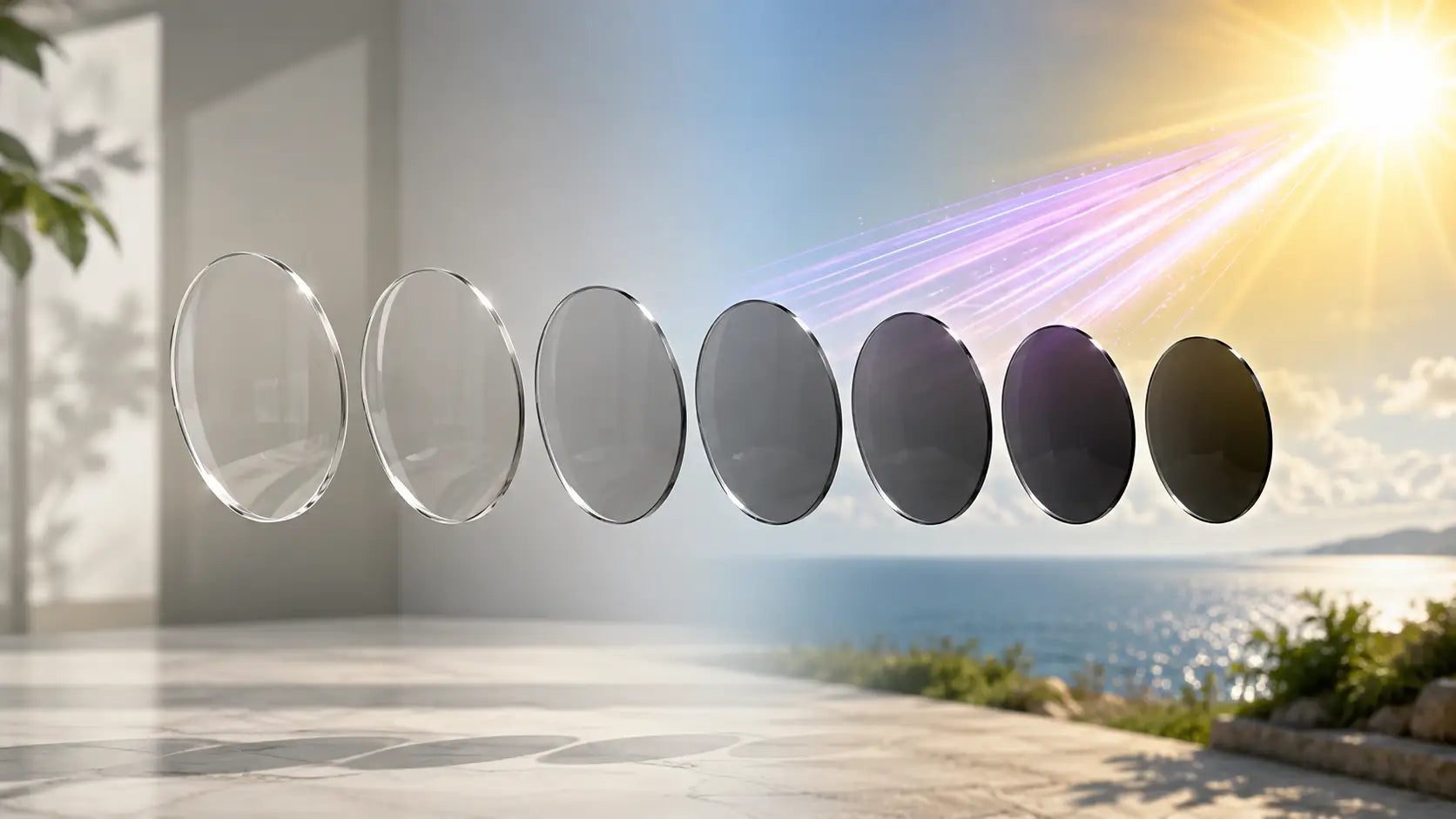
Photochromic lenses are lenses that change tint on their own. They read the UV around you and adjust in real time, no swapping, no fuss.
The science is lekker simple. The lens carries special molecules baked into the material. When UV hits them, they shift shape and the lens darkens. When the UV drops away, they relax and the lens goes clear again.
The speed bit (and a winter quirk)
Most sport photochromic lenses darken in about 30 to 60 seconds and clear over 2 to 3 minutes. Worth knowing for SA winter: cold weather makes the lenses go darker and clear a touch slower. Not a dealbreaker, just a quirk of the chemistry. On a frosty Joburg morning your lenses will lean a little darker than on a warm day, which is honestly what you want anyway.
One pair, every condition
That single-pair magic is the whole point. Overcast start, you get a light, almost clear lens that still lets you read the road. Sun breaks through, the lens steps up the tint. You never stop, never fumble in a jersey pocket for a second set. Just ride, run, or paddle.
Why Photochromic Lenses Win for SA Winter Training
Winter in South Africa is peak training season. The Comrades Marathon runs on 14 June 2026, an Up Run from Durban to Pietermaritzburg, and right now thousands of okes are deep in their highest-mileage weeks. Cyclists are stacking long Saturday rides. Trail runners are chasing cool mornings.
Every one of those sessions starts in low light and ends in glare. Fixed-tint sunglasses force a bad compromise. Too dark and you can't see kerbs, potholes or trail roots in the gloom. Too light and you're squinting into the sun an hour later.
Photochromic lenses solve the compromise. You get usable vision in the dark start and proper sun defence later, all from one lens.
Full UV protection, all the way through
Here's the part that matters most for your long-term eye health. A good photochromic sport lens still blocks 100% of UVA and UVB rays even when it looks almost clear. The tint and the UV protection are two separate jobs. So on that murky 06:30 start, your eyes are protected even though the lens has not darkened much yet.
That protection is not optional in this country. Long-term UV exposure to the eyes is linked to cataracts, pterygium (that fleshy growth surfers and cyclists know too well) and other nasty conjunctival conditions. South Africa has some of the highest UV readings on the planet. Winter does not give you a pass.
Photochromic vs Polarized: Which One?
This trips people up, so let's keep it real.
Polarized lenses are the kings of glare. Reflections off wet roads, dams and the sea get killed dead. If you fish, paddle or do a lot of watersport, polarized is your friend. Our polarized sport range is built exactly for that.
Photochromic lenses are the kings of changing light. They are the smarter pick when your light shifts massively in one session, which is basically every winter dawn ride or run. Some lenses even combine both, giving you adaptive tint plus glare control.
There is no single winner. It comes down to your sport and the light you train in. For most winter road and trail sessions in SA, photochromic is the easy call.
Already Love Your Frames? Don't Bin Them
Maybe you have got a pair of frames you are not ready to part with. Good news. You do not have to buy a whole new setup to go photochromic.
Our Nyoo Custom lens replacement service cuts fresh lenses for your existing frames, including big brands like Oakley and Ray-Ban. Photochromic, polarized, mirror coatings, whatever your training calls for.
It is the move that makes sense for your wallet and the planet. New lenses, same loved frames, a fraction of the cost of a full new pair. If you want the step by step, our guide on how to replace Oakley lenses walks you through it.
The Bottom Line
Winter light in South Africa is a moving target. Dark starts, harsh midday glare and sneaky high-altitude UV that does not care what month it is. One fixed tint can't keep up. Photochromic lenses can.
Pair them with a tough frame that survives a tumble and you have got eyewear that works as hard as your training block does. No swapping, no squinting, no compromise.
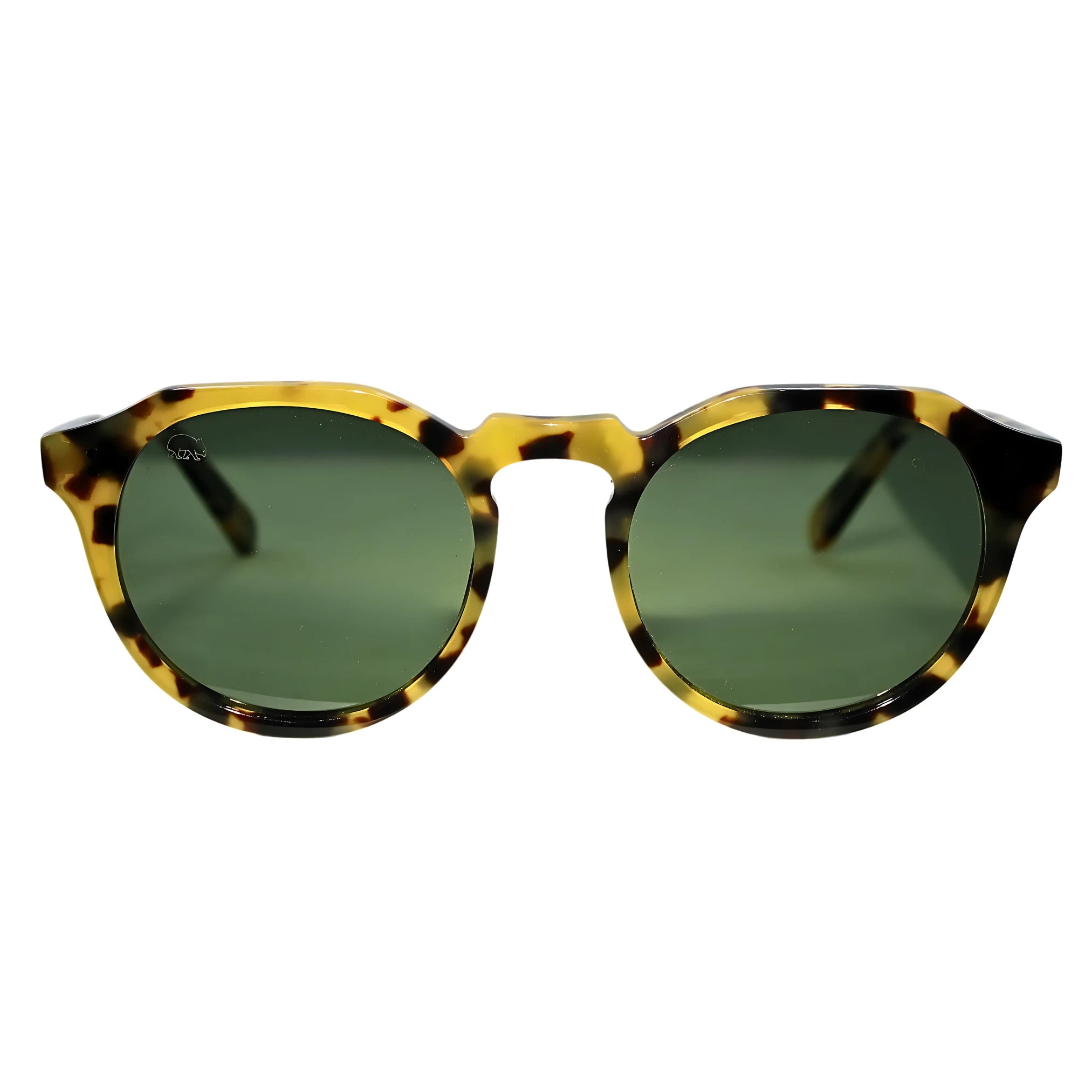
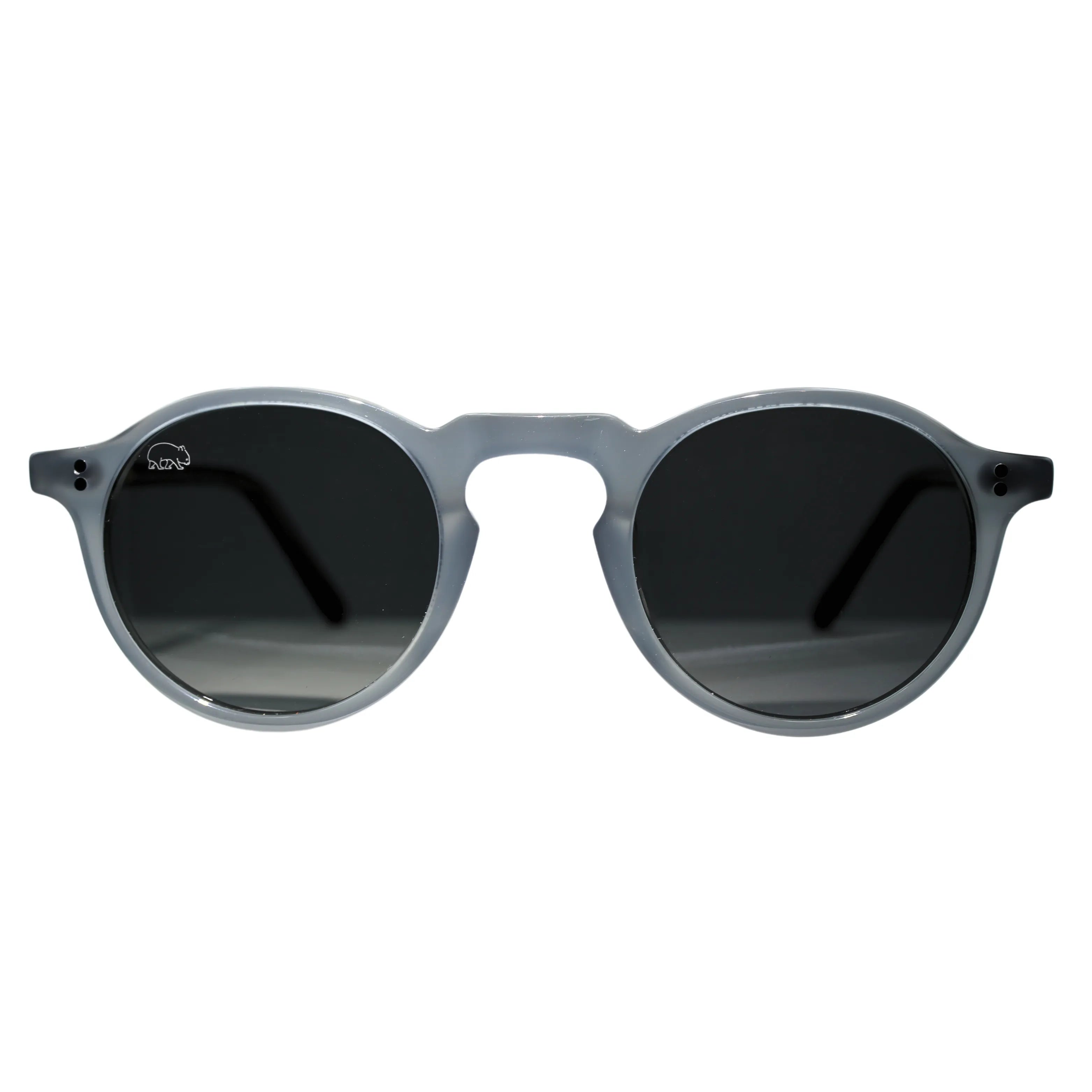
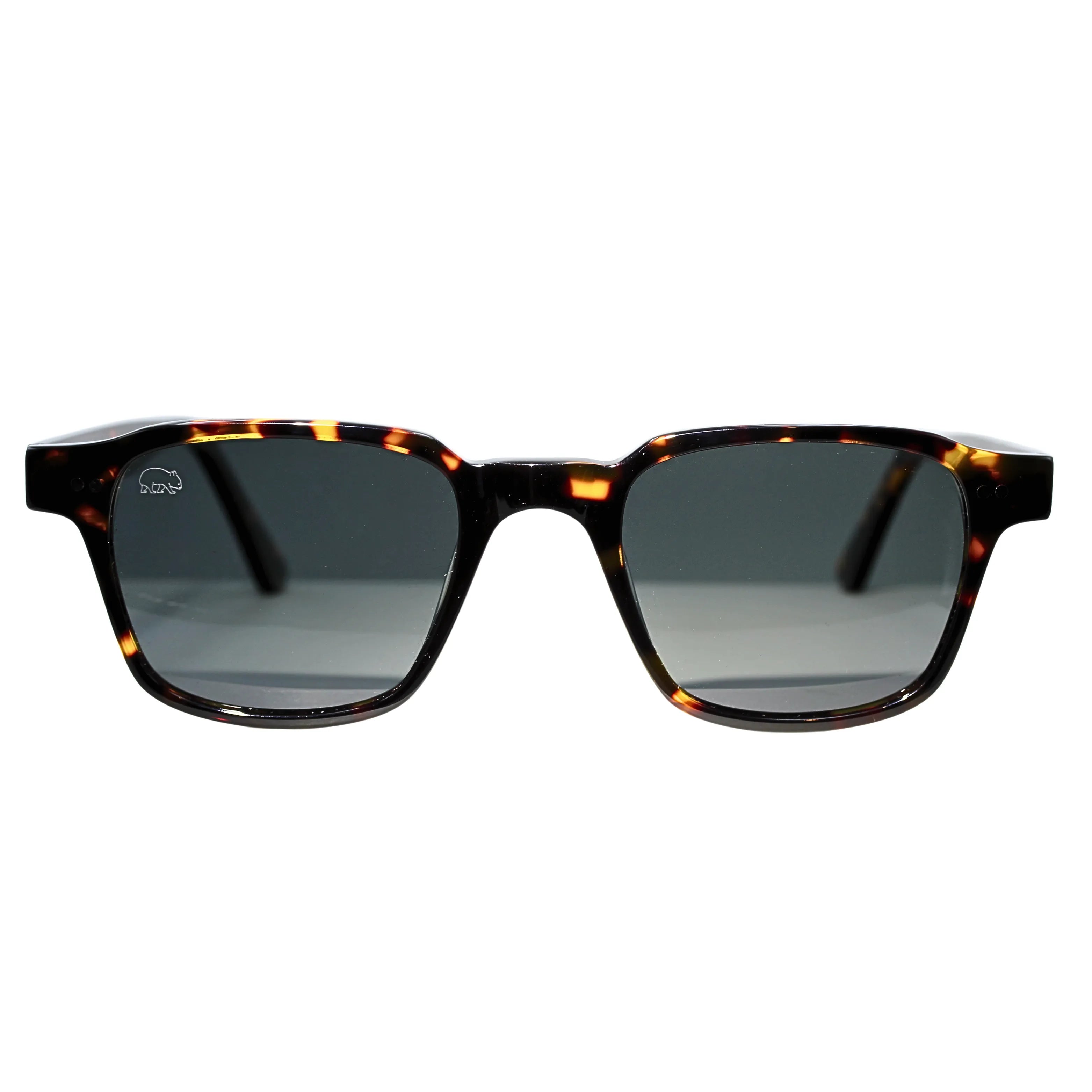
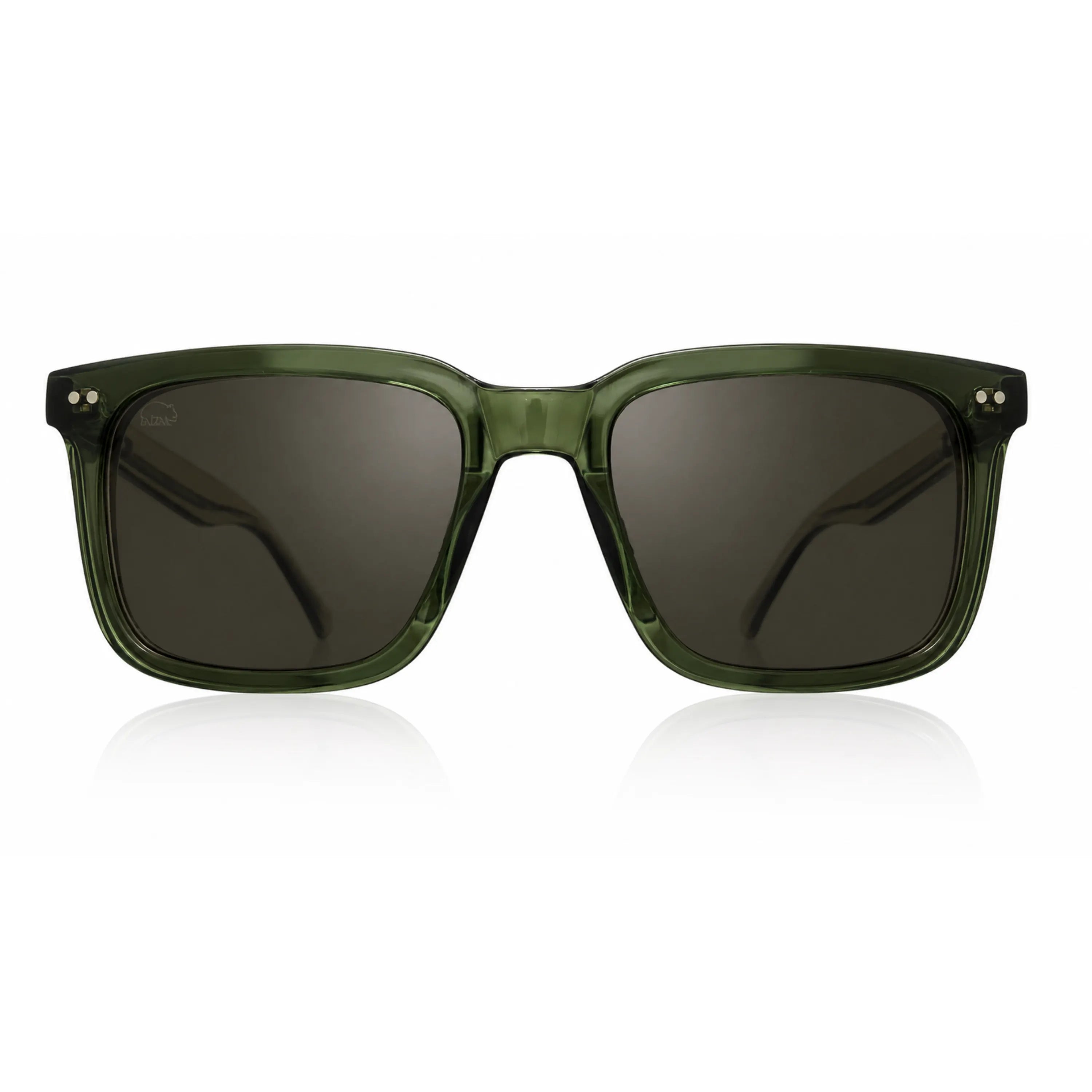
Ready to stop fighting the light and just ride? Browse the full Wombat Gear range, from adaptive and polarized lenses to the Nyoo Custom replacement service, and kit up for the season at wombatgear.co.za.
#justbelekker #risetheunderdog